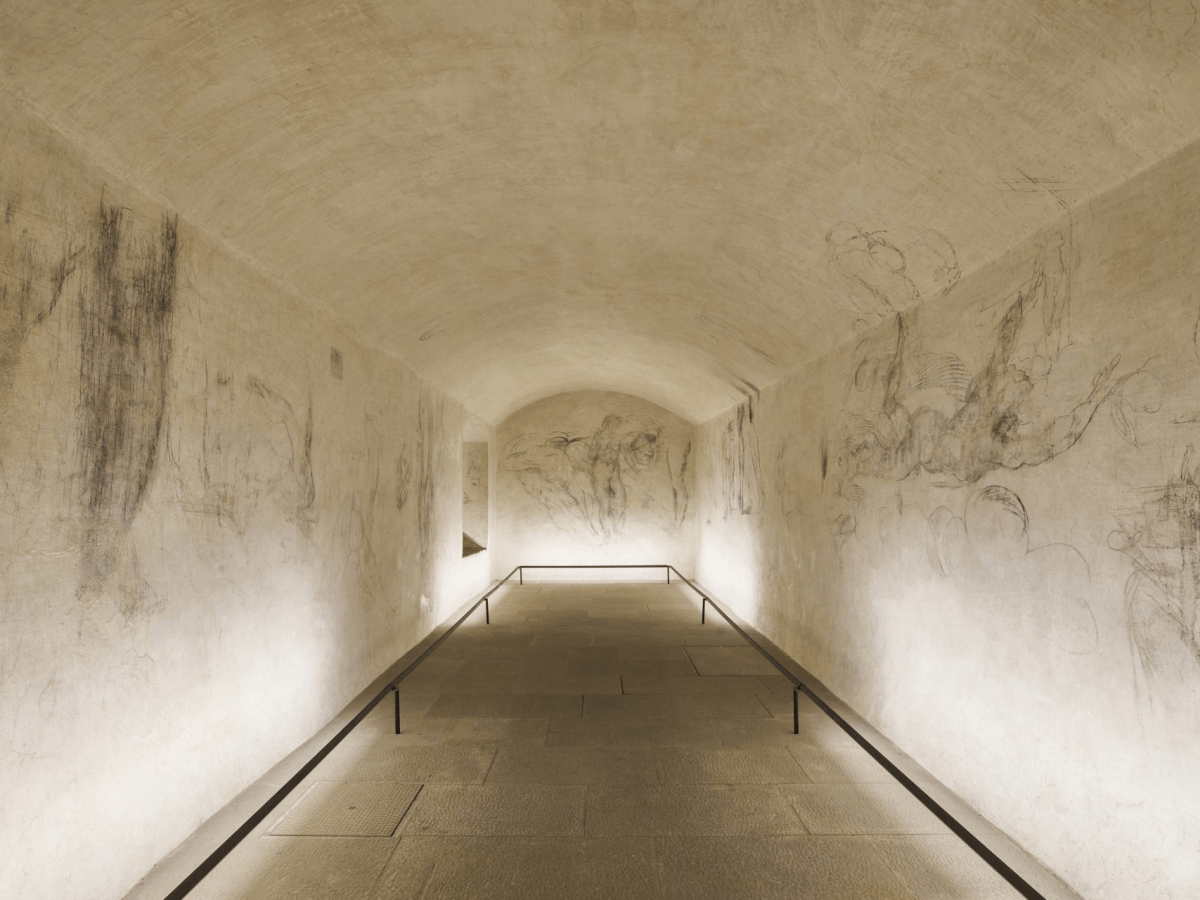
The Intimacy of Sketches
Last week when visiting Hurwin Anderson’s exhibition in the Tate Britain, I noticed a number of practices, copies and reiterations of the same image. Anderson, working from his own photographs and collages, created images through deconstruction and recreation that necessitates multiple attempts at resculpting and rebuilding. Through showing multiple examples of a work, the curation…

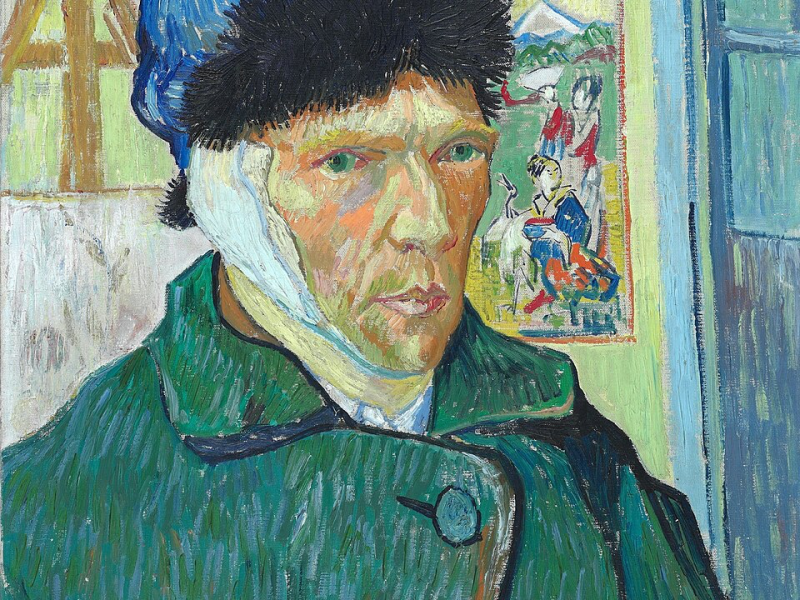
An Exploration of Pain in Art
In the last week, there has been a lot of talk surrounding the release of Olivia Rodrigo’s third album, You Seem Pretty Sad For A Girl So In Love, and the melancholy so prominent in her recounting of a supposedly happy relationship. Even the so-called love songs on the first half of the album are…

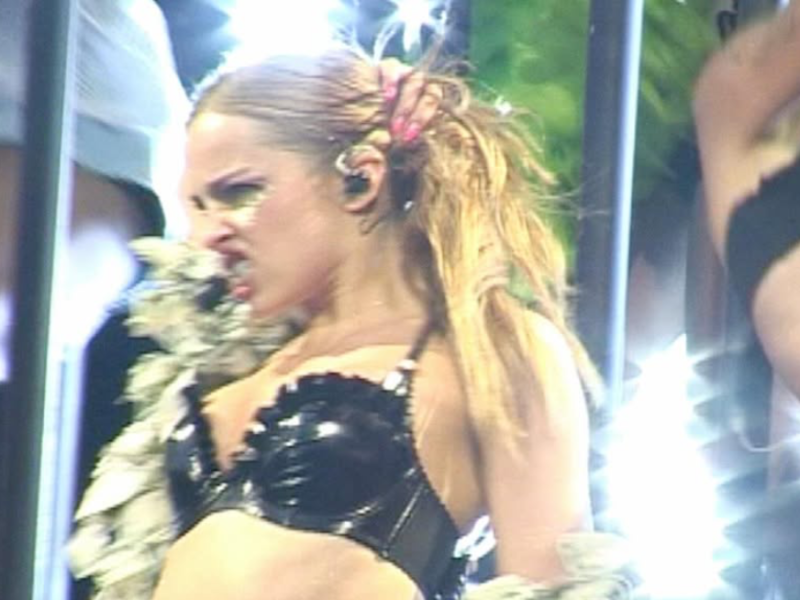
In Defence of the Poor Image: Pixelation as a New Aesthetic
With the advent of visual technology in modern life in the late 20th and early 21st centuries, the transmission of visual information has undergone a technological revolution – from the developments of the digital fax machine to mobile camera phones. The latter specifically became the pinnacle of a technology that made the production of photographic…

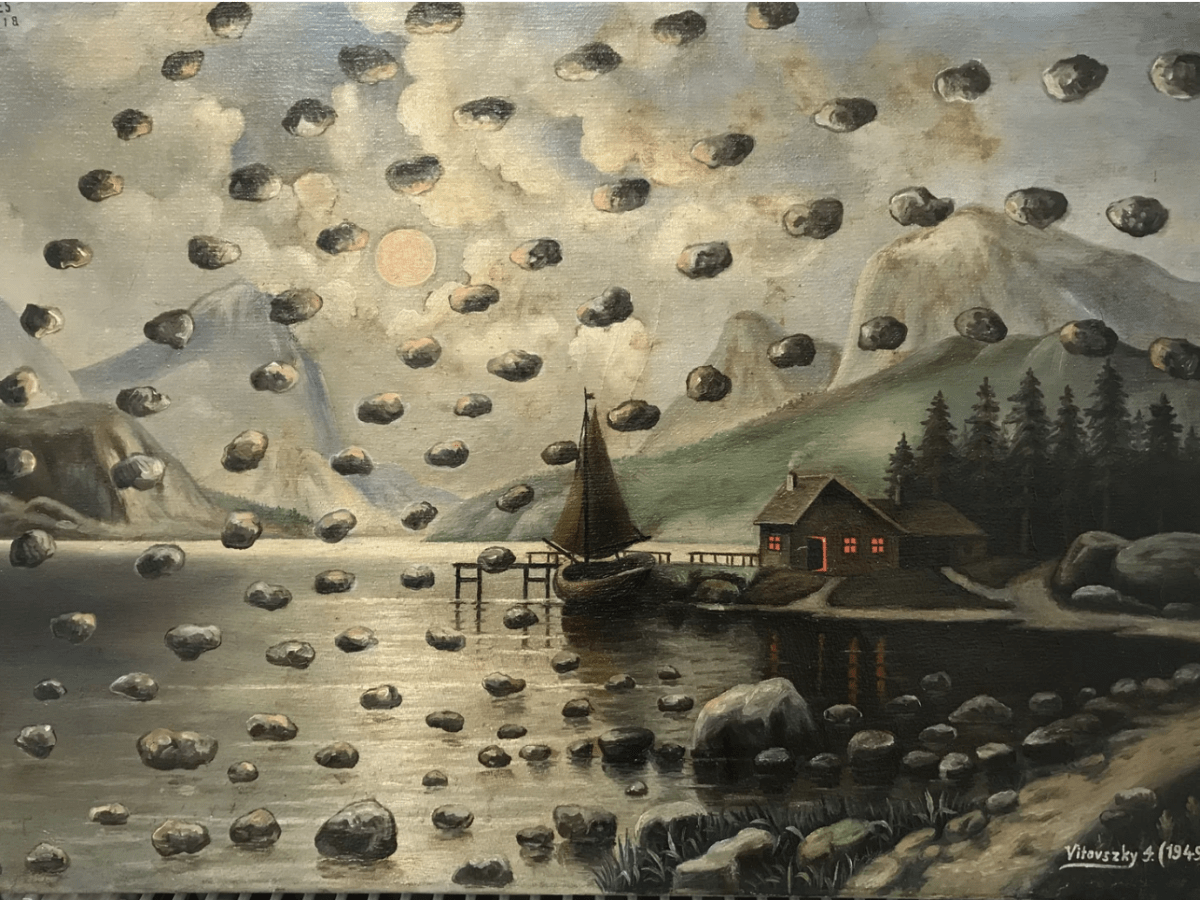
Károly Elekes, ‘Tunning’, and the Question of Surplus
Collected by Budapest’s Ludwig Museum in 2013, the Transylvanian-Hungarian artist Károly Elekes’ 2011 painting Jó Katona (Good Soldier’) is currently exhibited in the museum’s celebratory ‘Big Bang’ exhibition. Functioning as a tour through how the museum’s collection has developed and evolved since its founding in 1989, Jó Katona stands in a room thematically designated as belonging…

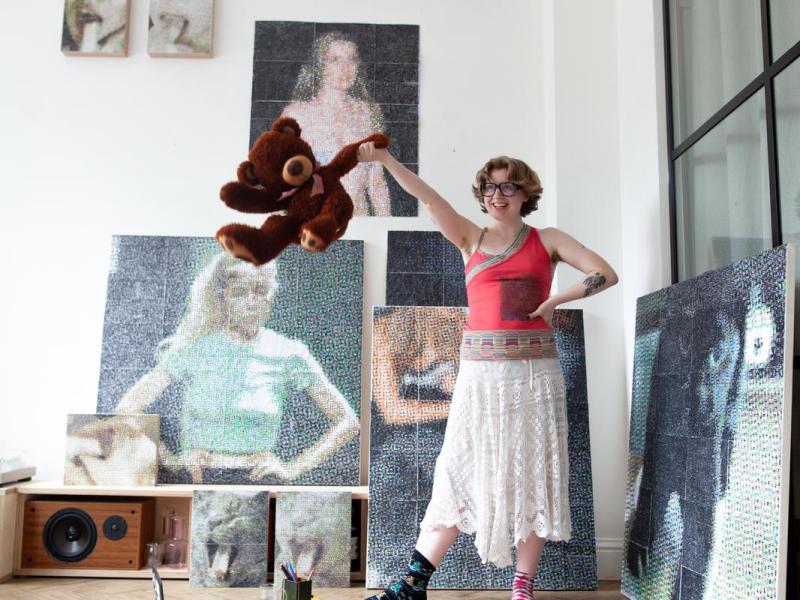
Lifelong Obsession with Laptops: In Conversation with Lily Bunney
Recently I spoke with Lily Bunney, a young London-based artist, whose practice centres on human experience in the digital age. Her work explores intimate subjects such as her series More Peeing alongside ideas about celebrity and media representation, such as in Julia Fox (Lady Godiva). Her paintings often blur public and private relationships, examining the relationship with ourselves and the world through a digital lens. Lily spoke with…

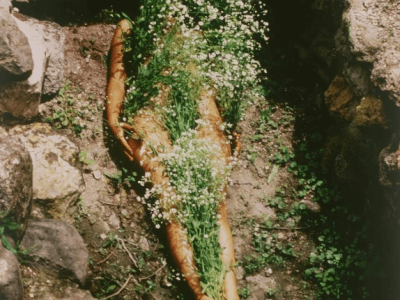
Tracing a Thread Through Ana Mendieta and Chiharu Shiota’s Art
Recently, I visited the Hayward Gallery and spent a few hours losing myself in the Chiharu Shiota exhibition. Best known for her large-scale installations of intensely interwoven red or black thread that fills exhibition rooms in twisted webs, I was instead drawn to one of her more subtle works. Tucked away on a wall most…
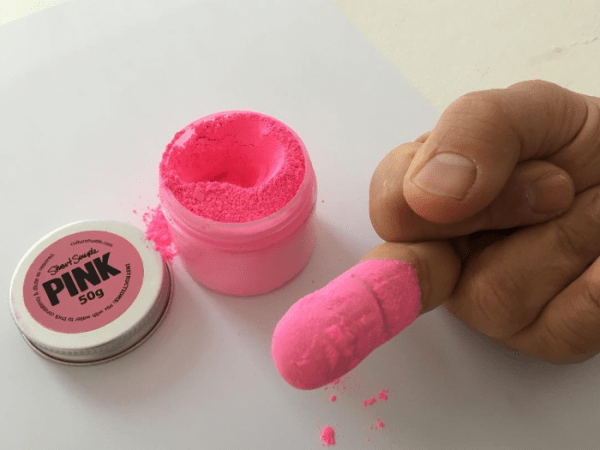
The Artist is an Advertiser: Stuart Semple and Performing Infamy
Perhaps the most famous work of the British-born contemporary artist known professionally (and formally) as Stuart Semple, is a small jar listed on his website as PINK (multiple), 2016. In contemporary culture, however, this is not how the work is known. Claiming to be the world’s ‘pinkest pink’, the container of pigment is available to purchase…
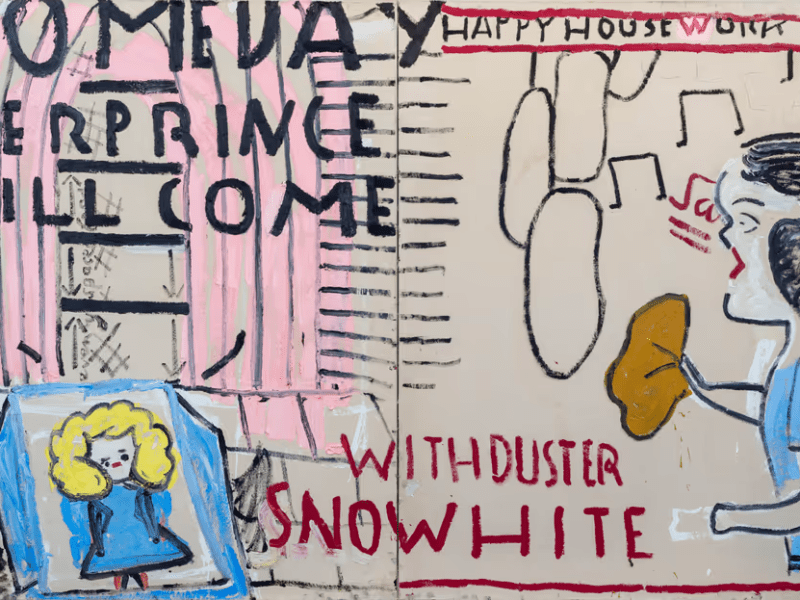
£21 Worth of Crap: On Rose Wylie and the Limits of Taste
Whilst caught up in the loop of doomscrolling on Instagram, I came across an interesting reel posted by a woman who was walking through the rooms of the Rose Wylie’s exhibition at the Royal Academy; expressing her discontent with the artist’s painting, and arguing that £21 is too much of a price for this ‘crap’.…
A Personal Ecology – Exhibition Review
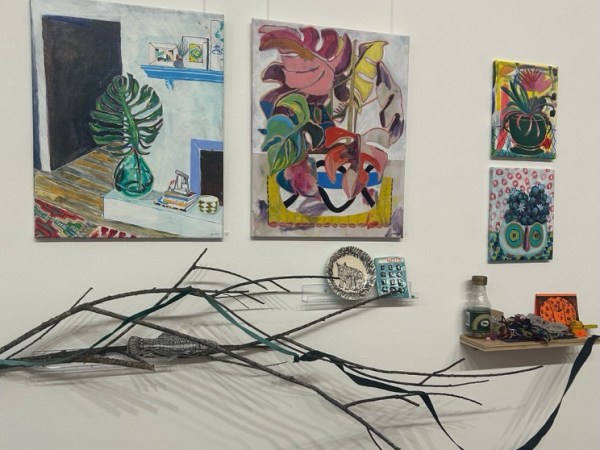
Louisa Bermingham’s A Personal Ecology at the Masterworks Museum of Bermuda Art is an exhibition that resists the clean separation of painting, object, and environment. A Personal Ecology constructs a porous, sensorial field in which images and things circulate with an almost conversational ease. The exhibition feels less “installed” than gently grown into being. At…

The Weight of Absence: Maternal Grief in Käthe Kollwitz’s Postwar Art
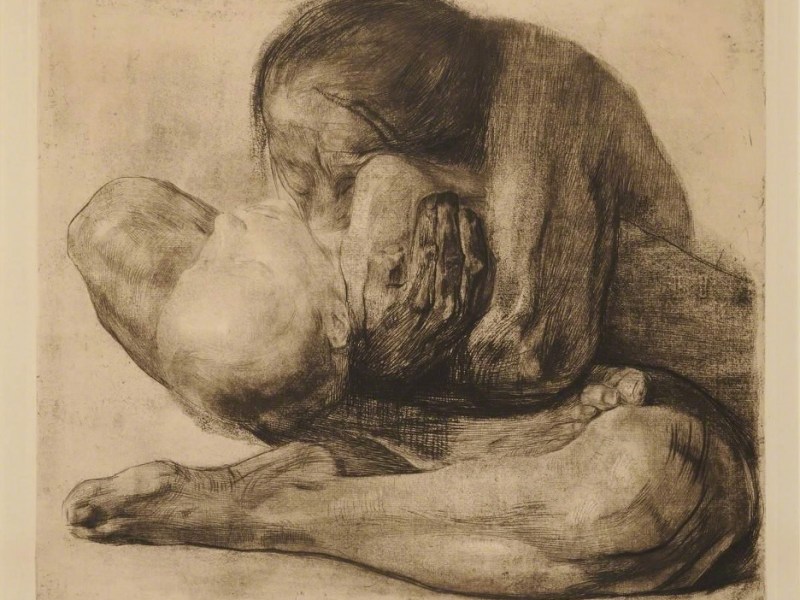
A woman lies flat on her back, legs extended, and a child draped face down over her torso. Both are dead. This is Käthe Kollwitz’s 1922 work, The Widow II, part of her famous woodcut series, War, which she began producing in 1919 in response to the horrors of World War I. Seized by desperation,…
In conversation with the co-curators: Juanita McNeely at Lévy Gorvy Dayan
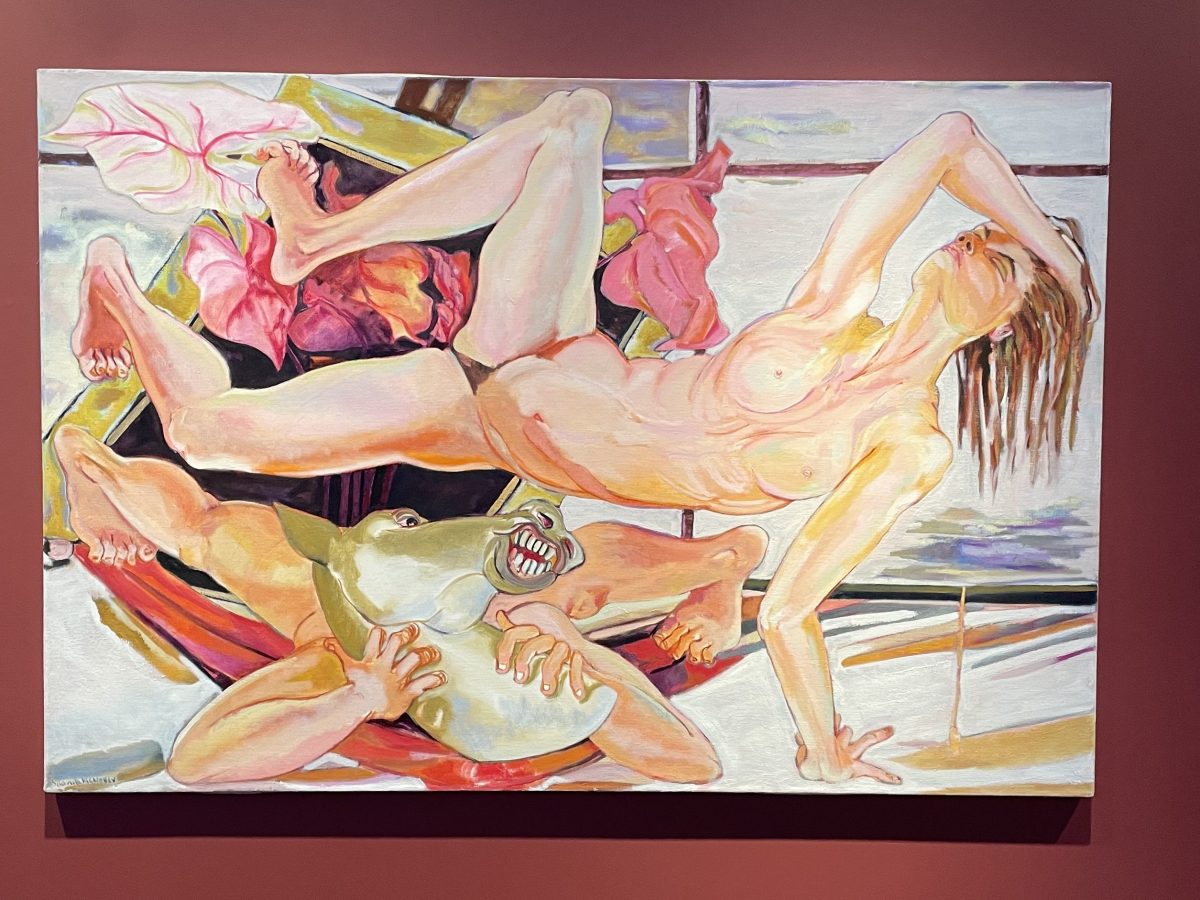
For this month’s edition of the Paper Galleries, I was graciously invited to speak with Tucker Drew and Tilde Fredholm at Lévy Gorvy Dayan about the gallery’s current exhibition on Juanita McNeely, organised in collaboration with James Fuentes Gallery in New York. Tucker and Tilde worked on the curation and research of the show alongside…

Why NFTs Failed as a Digital Art Medium
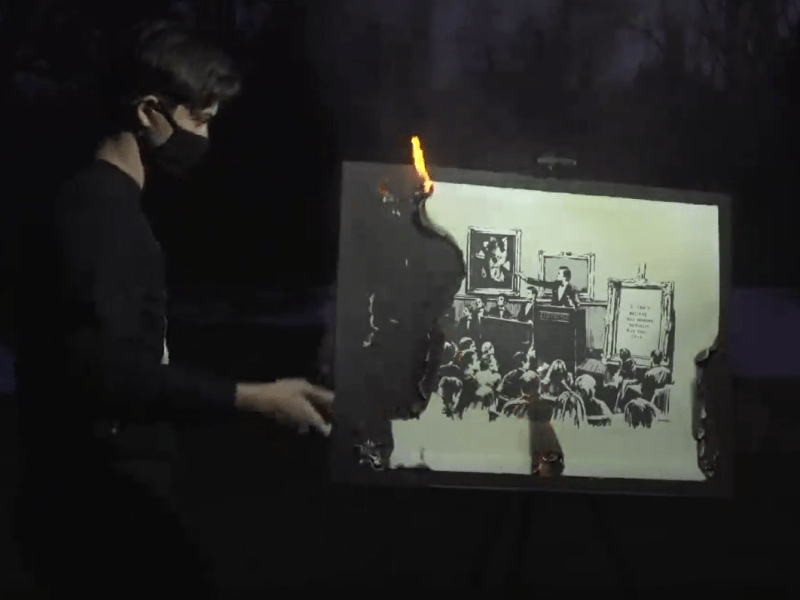
In his seminal work, Art in the Age of Mechanical Reproduction, Walter Benjamin makes the argument that there is a quality to the work as a material object that is absent when the formal content alone is reproduced and circulated; this, he names the ‘aura’ of the work. The reproduced work is inherently non-auratic; ‘aura’…
Opaque Dreams
’I’m not opaque. I’m so relevant I’m disappearing’ – Anaïs Duplan, ’One poem’ This line from One Poem by Anaïs Duplan was used by Legacy Russell in her theory of Glitch Feminism, which rejects categories through the abstraction of the body. When we embrace the error of a ‘glitch’, we reject a system of perfection…
What is missing in a Lucian Freud exhibition?
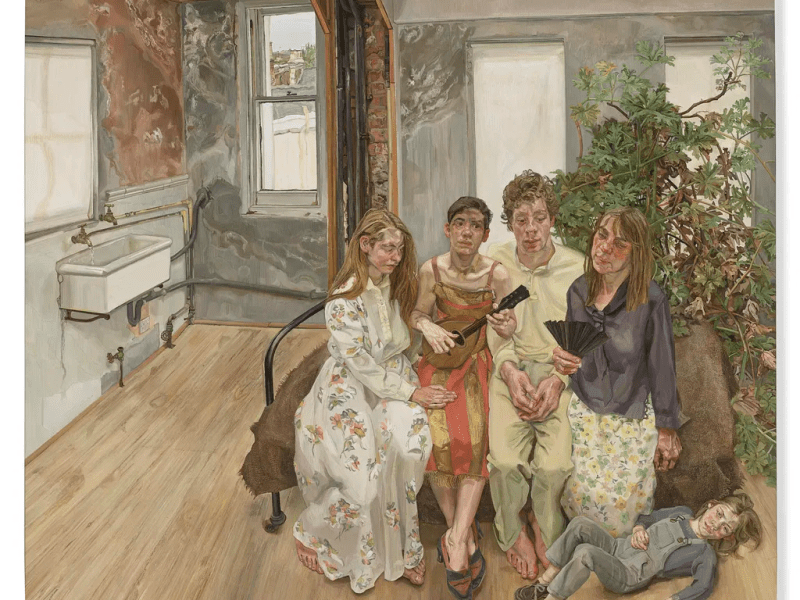
In the minds of many people, curatorship is associated with the ideas of selection, choice, and the power to decide what will be included and what will not be seen. However, during the recent Lucian Freud: Drawing Into Painting exhibition tour, organised by the Art Business Society in collaboration with the curatorial assistant involved in the show’s production, I found…
Public Art and The Politics of Perception
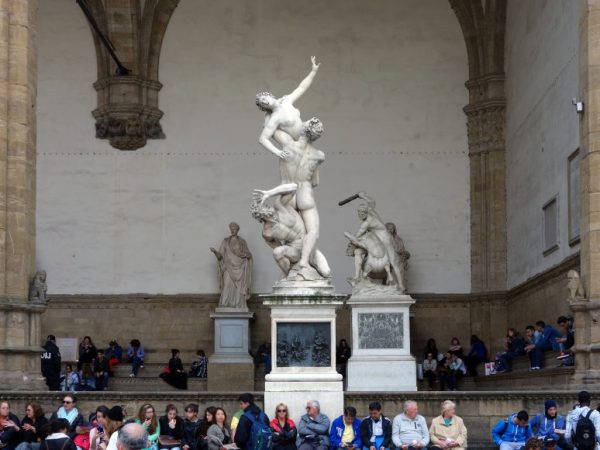
Walking around in London, you can’t help but notice the amount of statues within our public parks, squares and streets. Although I don’t always take note of each individual being commemorated, I know that a largely singular narrative is being perpetuated in these sculptures: the seeming normalcy of white maleness. This is not just my…
Another Rave Review: Tracey Emin’s A Second Life
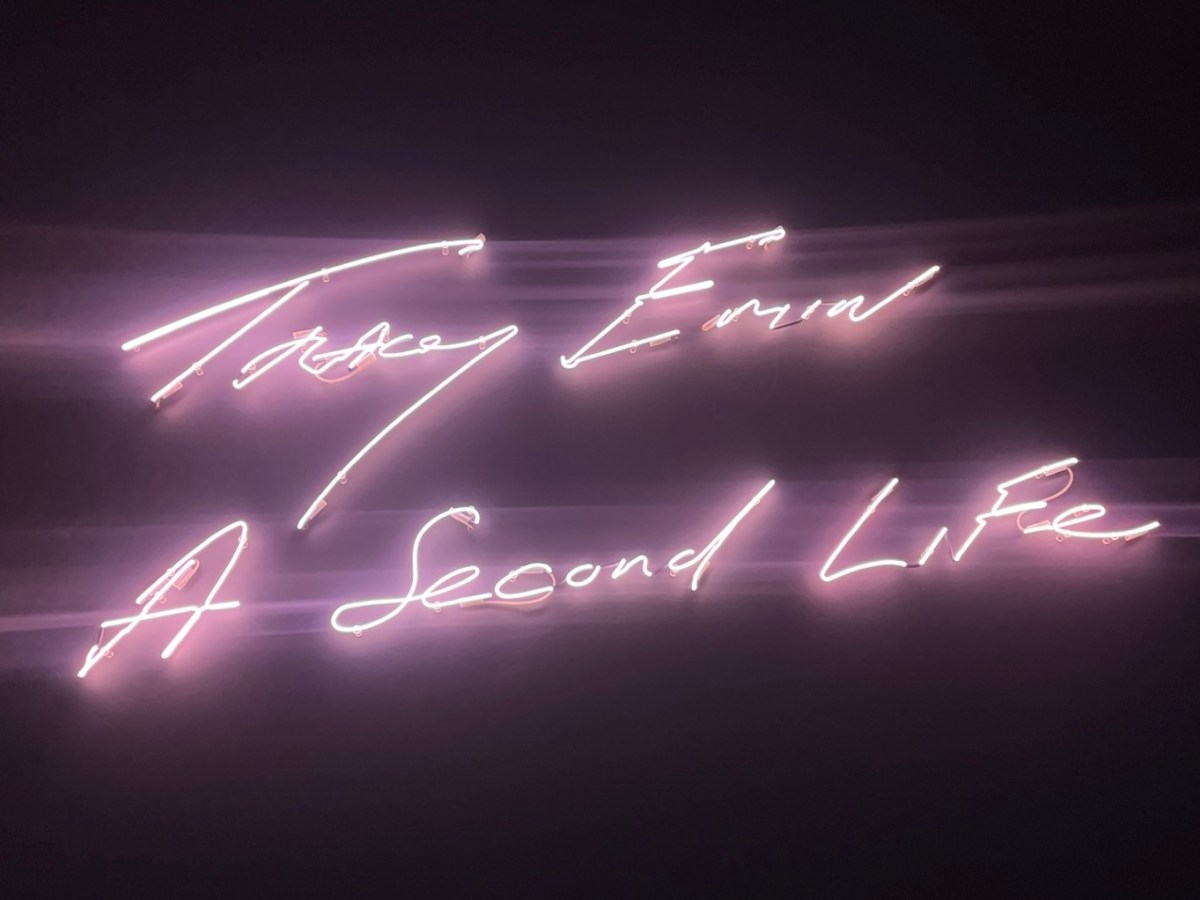
Tracey Emin’s landmark exhibition ‘A Second Life’ threw itself into the London Artscape at the end of February. Her ‘Sex and Solitude’ at Palazzo Strozzi in Florence last year left me wanting more. The major retrospective, held at the Tate Modern, spans the entirety of Emin’s career from the late 90s to today and includes paper works, embroidered blankets, bronze sculptures, appropriated objects, neons, video art, and large-scale canvas paintings. I…
Tarsila do Amaral’s Vision of Modern Brazil
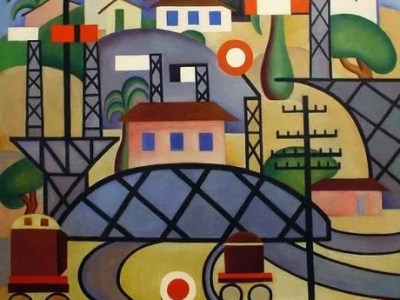
The painting Central Railway of Brazil (1924) by Tarsila do Amaral reflects the transformation of Brazilian culture during the early twentieth century. Created during a period of intense artistic experimentation, the dynamic piece exemplifies the principles of Brazilian modernism by combining simplified forms, vibrant colour, and symbolic references to modernization. Through her treatment of shape,…
Furuhashi’s Lovers Escape into ChatGPT
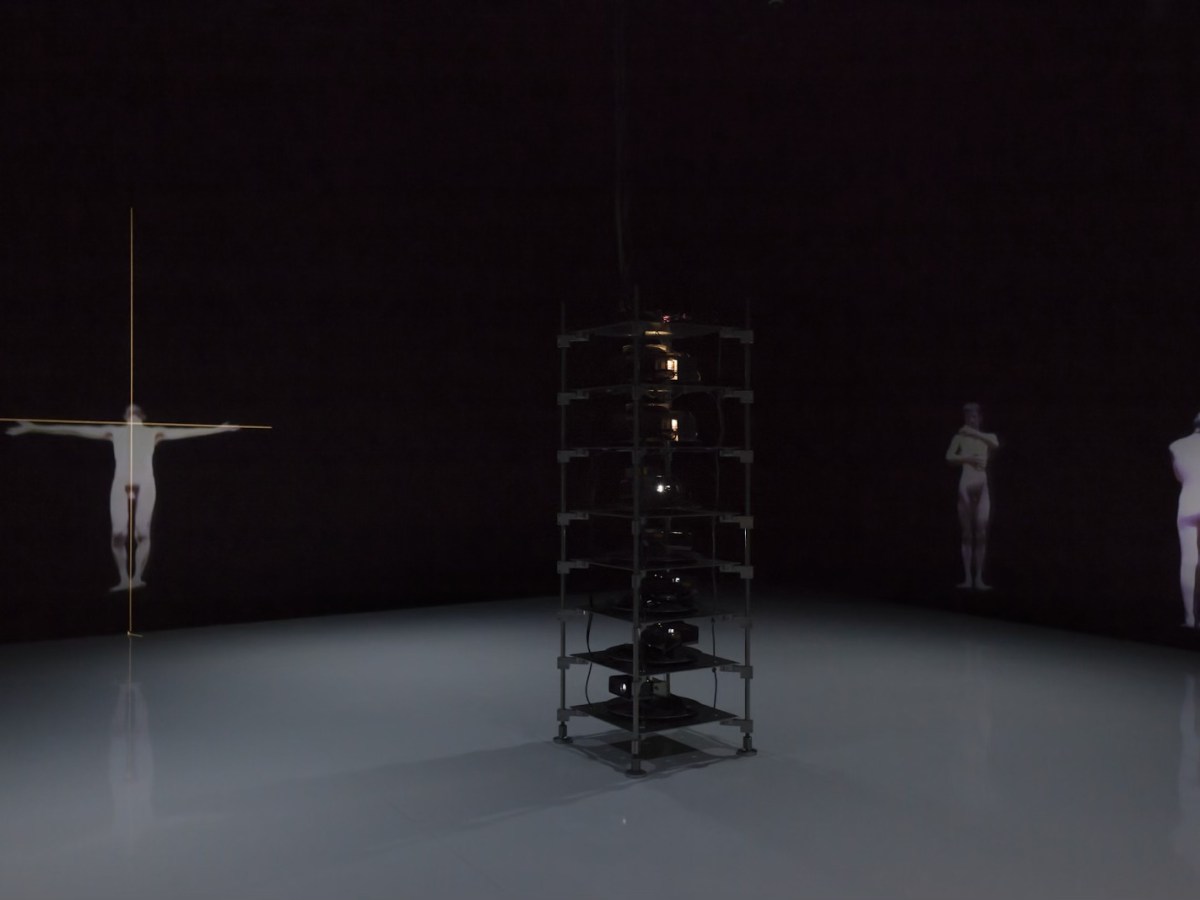
In the week leading up to February 14th, I attended Elliot Gibbons’s lecture on the Kyoto-based art collective Dumb Type, its founder Teiji Furuhashi, and his immersive installation Lovers (1994). It struck me that this chronological “coincidence” resonated less with the conventional anticipation of Valentine’s Day than with the spirit of Anti-Valentine’s Week – a…

On ‘Immersive Exhibitions’ and Being Present
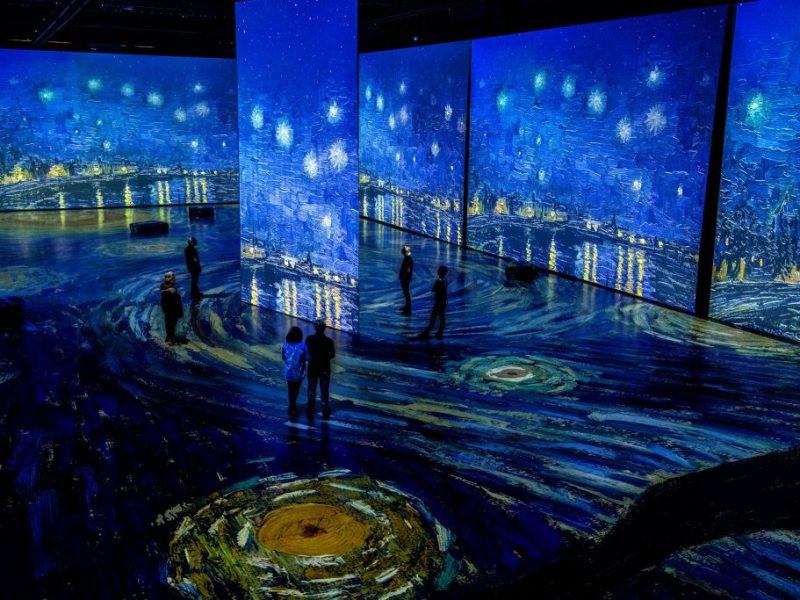
The question of ‘immersion’ when facing an artwork is brought into a curious precarity through the emergent phenomenon of ‘immersive exhibitions’. These are typically understood as a digital spectacle, where visitors walk through altered projections of famous artworks, dramatically increasedin scale and rendered in such a way that viewing the whole image at once becomes an impossibility. The projectioncomes to encompass the entirety…
From ‘Un-House’ to Geodesic Domes: Architectural Experimentations of 1960s-70s
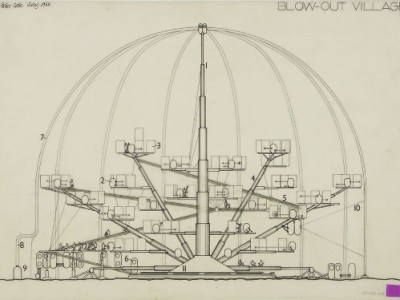
In 1965 article “A Home is Not a House” for Art in America magazine, Reynar Banham coined the concept of ‘un-house’ – one that radically deviated from the traditional idea of a house by being a mere shell to conceive services such as heating, cooling, and plumbing. Banham noted upon the society’s trend to seek…
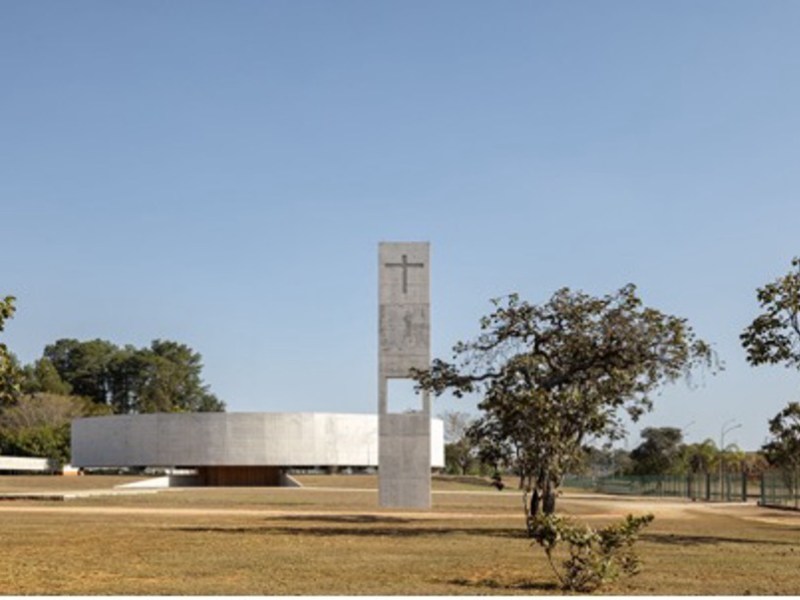
The Theological Collapse of Concrete Cathedrals
Egyptian Architect Abdelwahed El-Wakil said ‘We die and our buildings die with us’ in response to the temporal nature of modern buildings. He saw modern architecture as a space of dissonance between the world of nature and the world of the human. But what about the space beyond nature? What about buildings devoted to faith?…

Behind the exhibition: A Conversation with Curator Miriam Kanner
I recently interviewed Miriam Kanner, a writer here at Paper Galleries, and a second-year History of Art student at UCL who recently curated two exhibitions at Arc London. Her first exhibition, Moving in Translation, became the first solo show for the artist Zoya Ilina, presenting landscapes and still lifes from various cities the artist had…
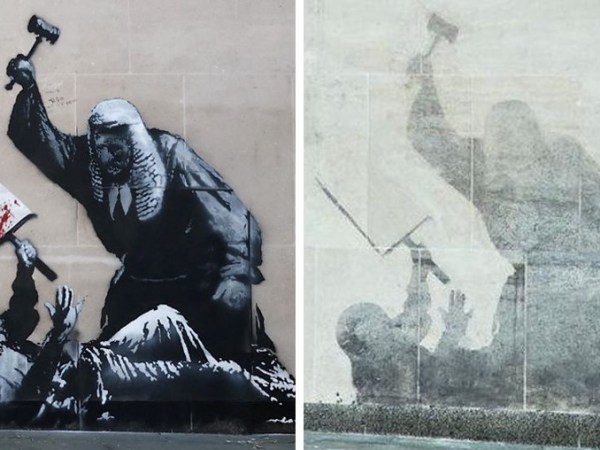
Art and Ruler: The War Over Visual Culture
Art has almost always been a political battleground. It has been harnessed by rulers, suppressed by dictators and controlled by states, all of whom understood it to be a vital source of power. Despite being a mode of expression, artistic production can be easily exploited as a tool for societal repression through both censorship and…
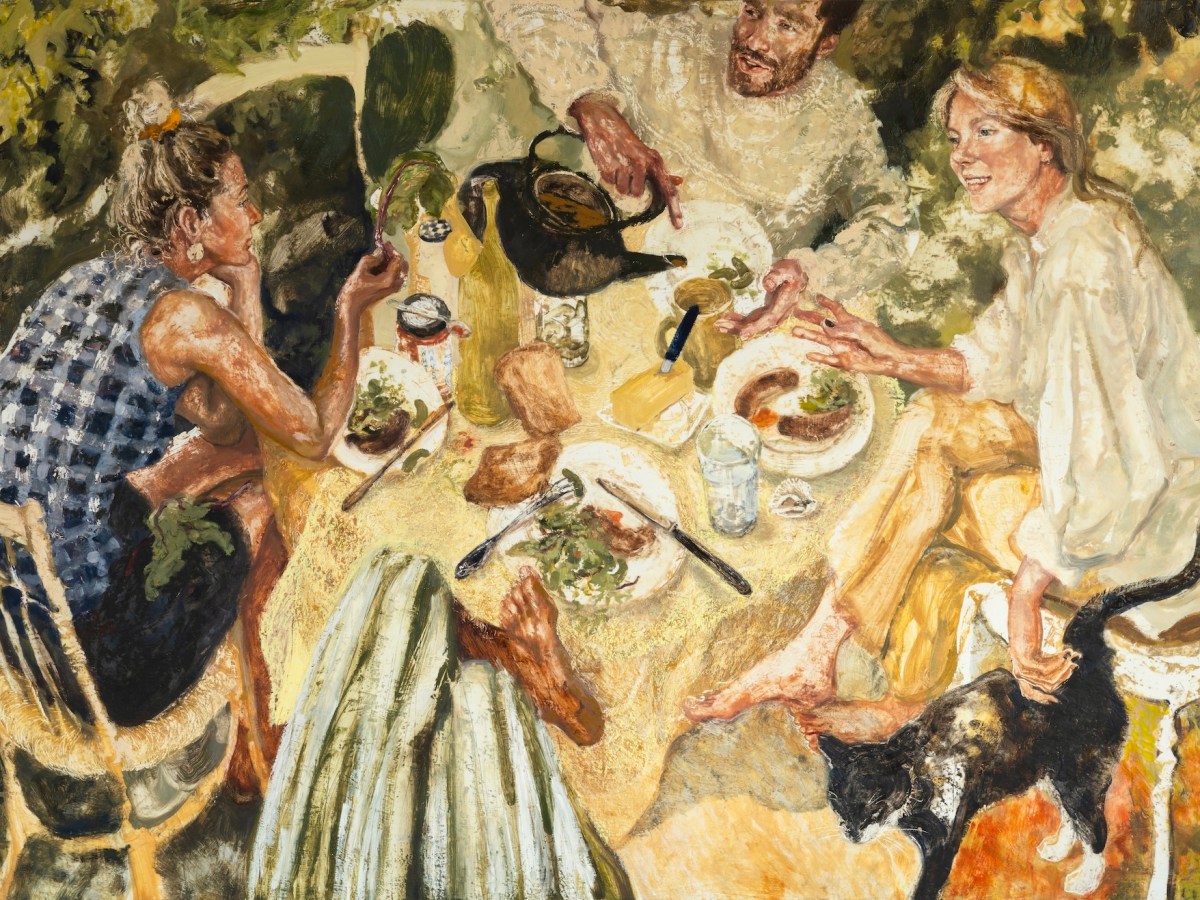
Emily Ponsonby on seeing “Through Butter”
With Valentine’s Day around the corner, we’re encouraged to spend a little more time and put in a little more effort for the ones we love. It reminds me of the work by an artist I recently discovered this past October; on a little pre-Frieze gallery hop, I was drawn into the wonderful Gillian Jason…
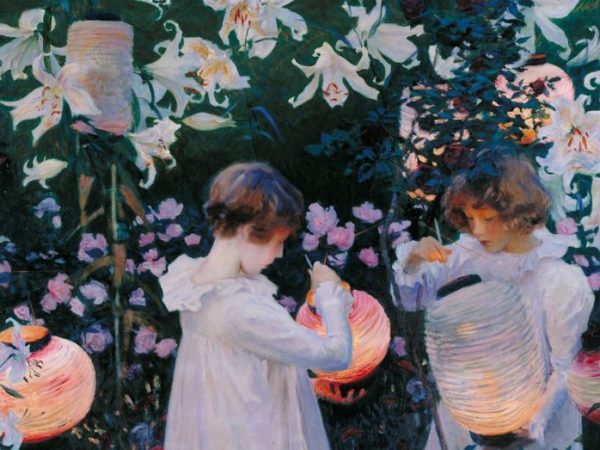
Light in the Paintings of John Singer Sargent
John Singer Sargent is widely regarded as one of the most accomplished painters of light in late nineteenth and early twentieth century art. Across his portraits, landscapes, and murals, Sargent uses light not merely to illuminate form but to structure composition, convey atmosphere, and articulate social and psychological meaning. His approach synthesizes academic training, Impressionist…
On Muses, On Venus, On Fantasy
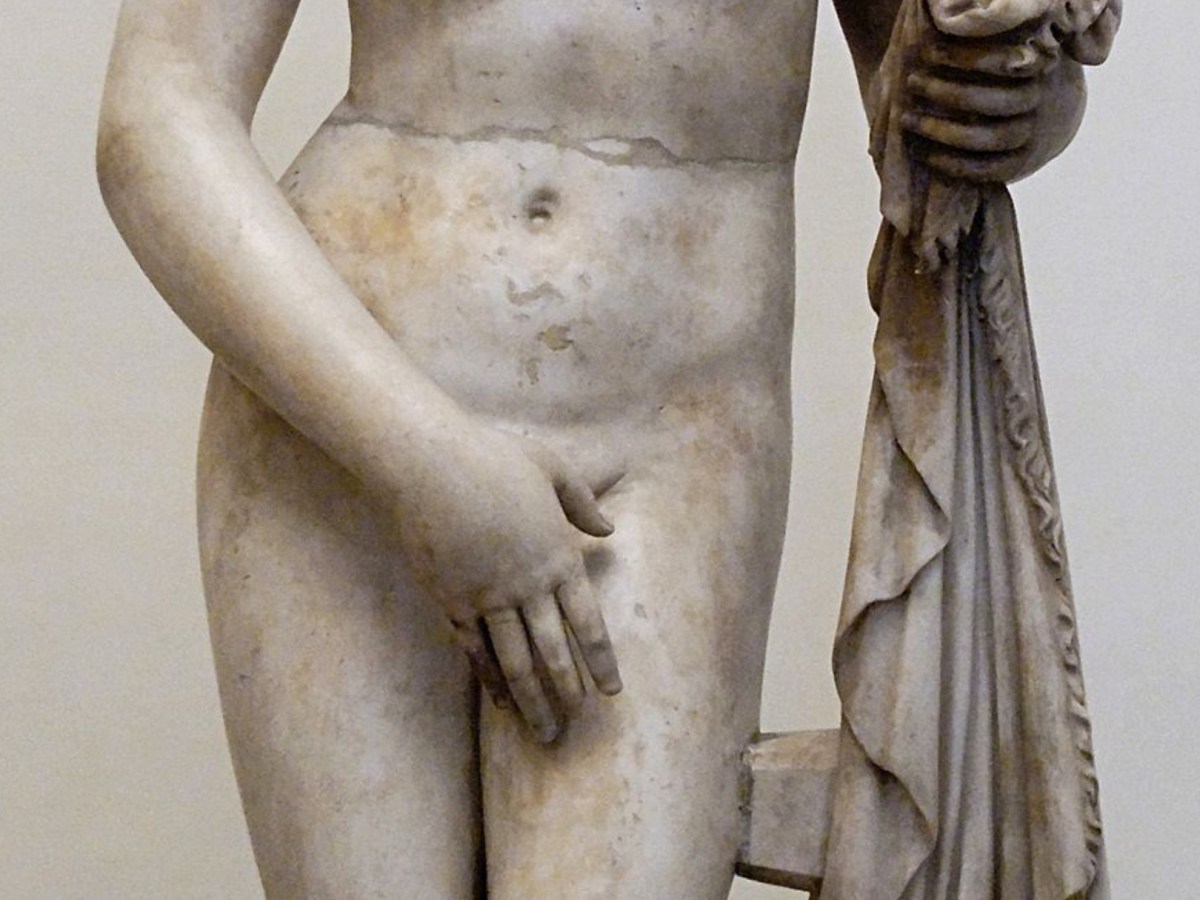
The reproduction of the female form in art history becomes as exploitative as its consumption. The female body must perform the function of Madonna or whore, the lustful or the shameful, the desired or undesirable. We seem to be controlled by a binary, where a woman must become the entire essence of something idyllic, lacking…
Parajanov’s The Colour of Pomegranates: a convergence of language, thread, and history
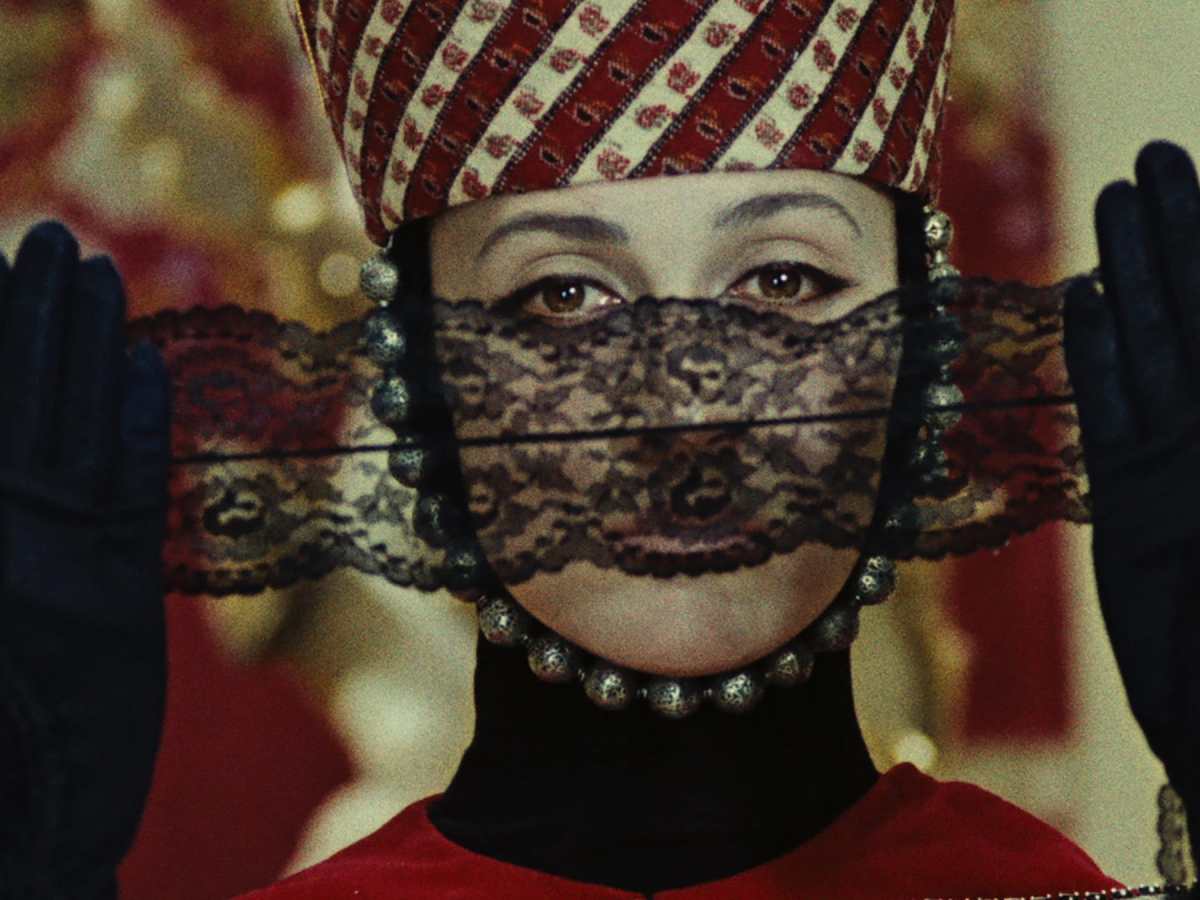
Watching Sergei Parajanov’s 1969 film The Colour of Pomegranates will make you feel as if you’re wandering through endless rows of a colourful market fair. The patterned rugs alongside antique vases, the rich textiles and archaic manuscripts, the nacreous shells, the candleholders, the flowers — all compete for your gaze with their allure. The same…
An Iconographic Walk through the National Gallery with Roma Liberov’s Reflections
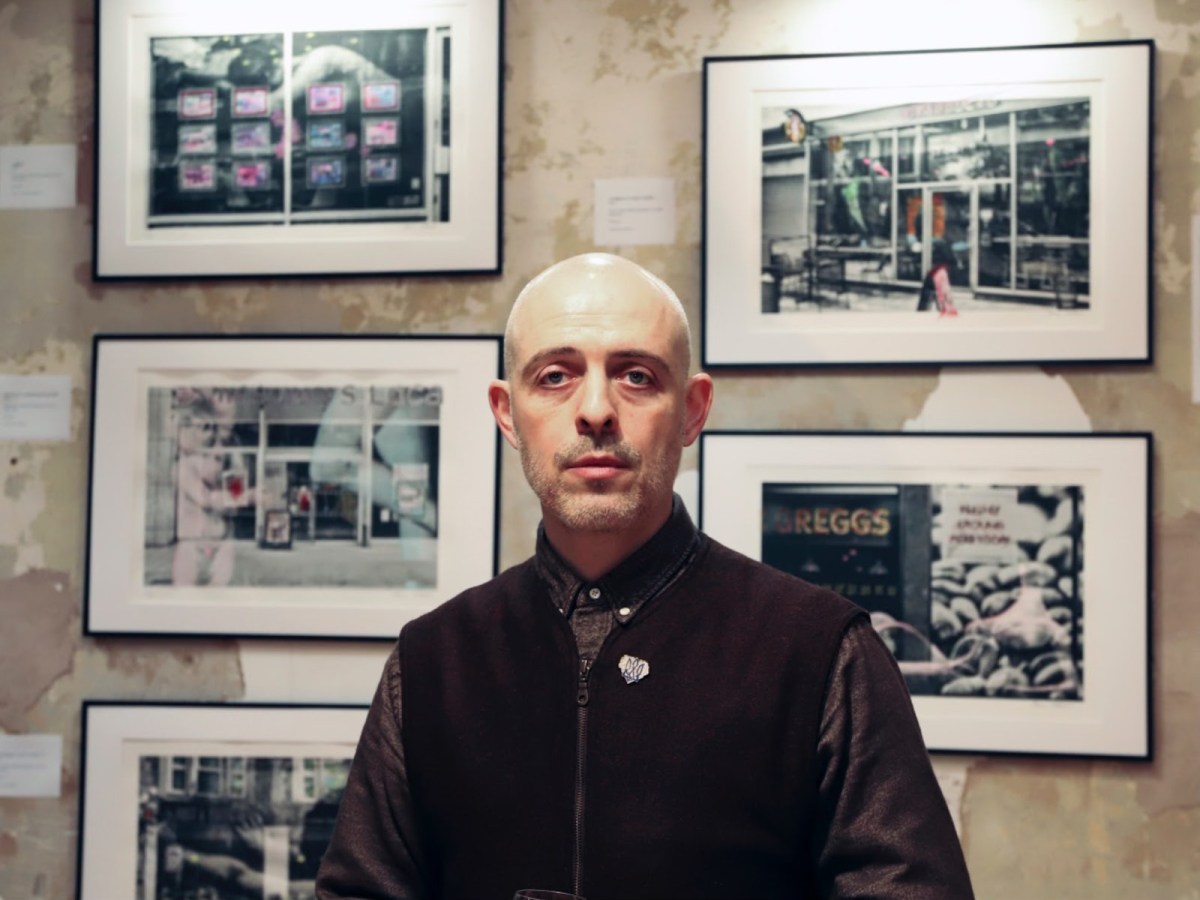
On 16 January, The Arc London in Fitzrovia opened Roma Liberov’s solo exhibition Reflections: “a poem is as real as a utility bill”, which I had the privilege to curate. The show brings together a series of mixed-media photographic works created over the past two years of the artist’s life in London. Liberov’s practice, long…
Rethinking Art in 2026
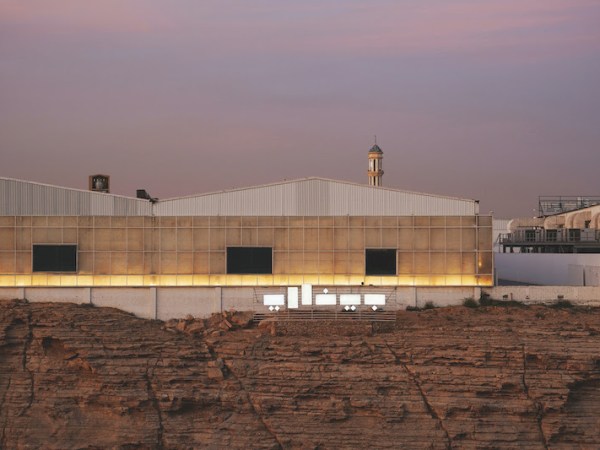
Historically, the art market has been perceived as a closed sphere: a world concentrated between London and New York, where key positions are taken by blue chip galleries and major auction houses trading highly priced masterpieces. However, in recent years this landscape has begun to shift, driven by rapid technological advancements and an increasingly volatile…
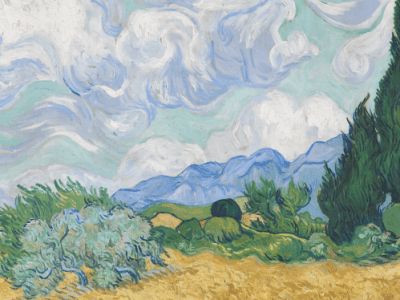
The Missing Touch: Why AI Can Never Create True Art
Generative AI has advanced to the point where it can produce visual outputs from written prompts, creating images that often appear symmetrical, lifelike, and perfectly smooth. Such qualities have sparked debate over whether such works can be considered true art. Take Indian designer and artist Amith Venkataramaiah, who uses the generative AI programme Midjourney to…
 Paper Galleries