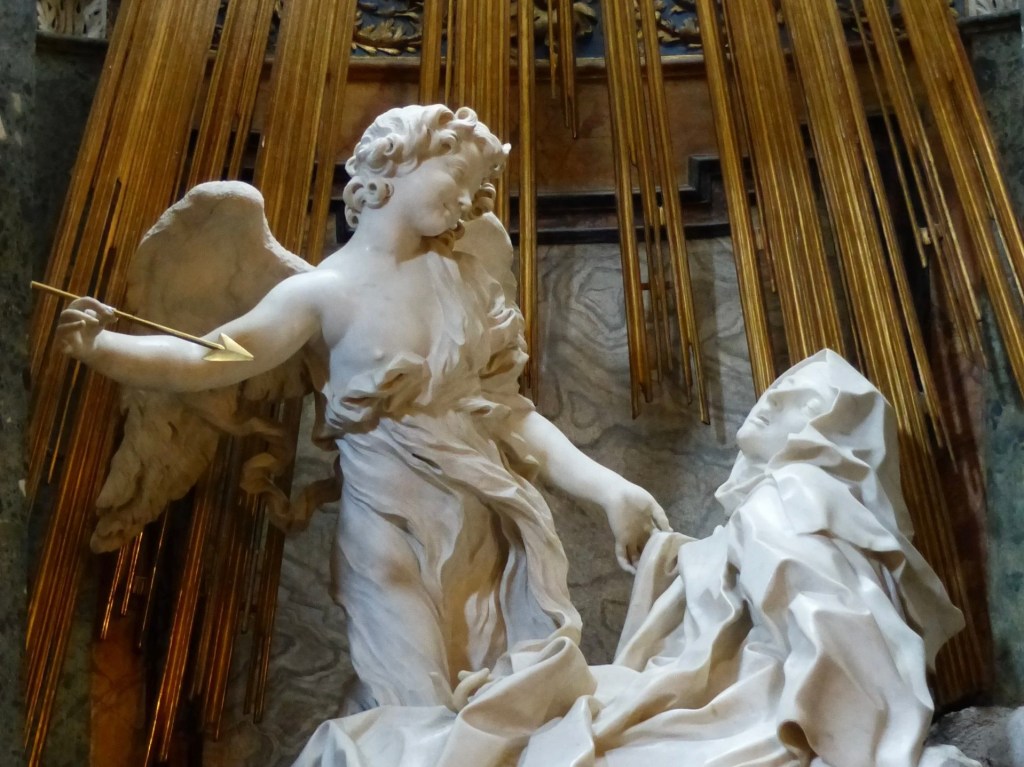
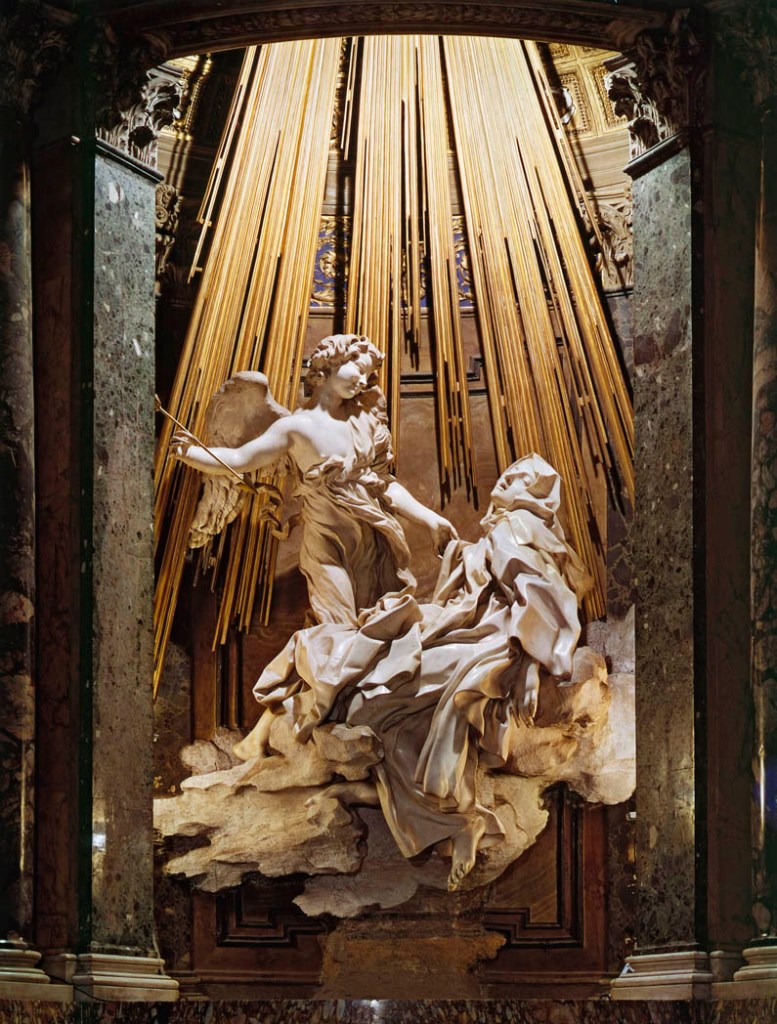
Like the sun catching the peak of a wave, glinting as it ebbs and flows, light falls down upon The Ecstasy of Saint Teresa. Gian Lorenzo Bernini’s Baroque sculptural altarpiece is the centre of a 360 degree commission from the Cornaro family and a humanisation of the tales of the eponymous Teresa of Avila, a woman wrought with full-body spiritual visions.
The story derives from one of Teresa’s autobiographical telling of her visions. Suffering from hardship her entire life, disability for three years following her mothers death and her fathers poor attitude towards her becoming a nun, and subsequently her eventually falling prey to religious psychosis.
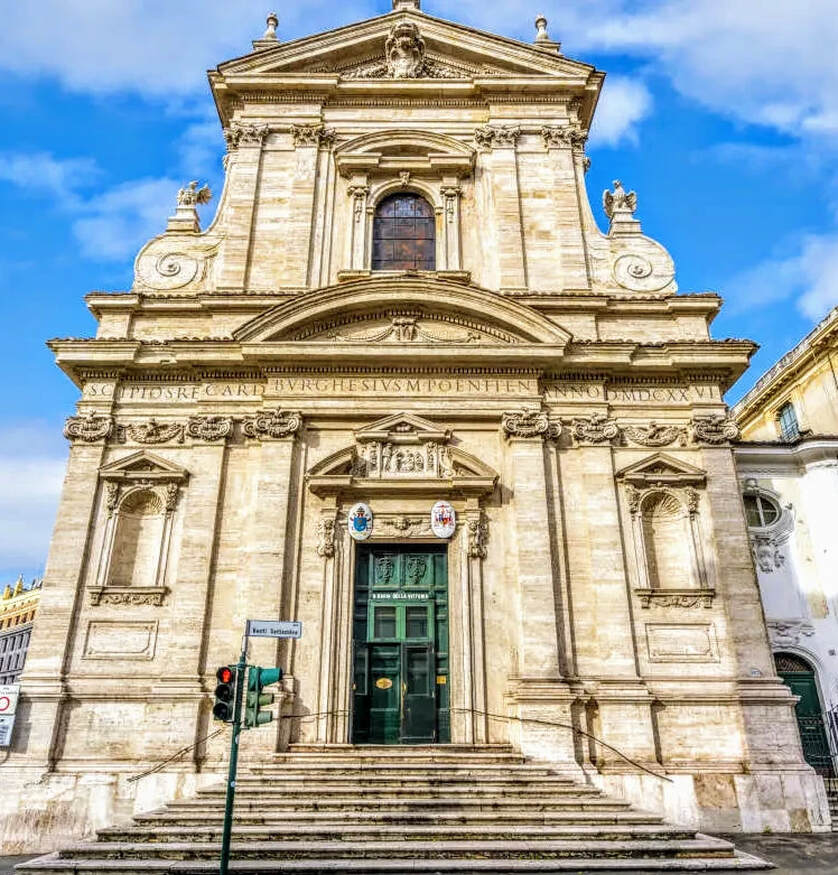
Following the direction of purposefully placed bronze beams below a convenient hidden window, the light of the daytime spills into the church of Santa Maria della Vittoria, illuminating and casting a spotlight upon the subject as she is pierced in the heart with an arrow by a cheerful cherub standing atop her. The Spanish Carmelite nun is depicted as finding her body limp, vulnerable to the power of the unsuspecting angel, exposed to the spirituality that he—and his fiery arrow—embody. Robes cascade along her body in the form of creases that seem impossible to carve into marble as her head falls back.
Eyes closed, mouth open, Teresa comes to understand the definition of “spiritual ecstasy.”
Spiritual ecstasy is a term that itself can be brought under the microscope; ecstasy has been something somewhat condemned in spirituality. Often associated with carnal pleasure, which many spiritual followers abstain from in line with their religion, seeing it as “wrong” or “taboo”. It’s something that nuns, like Teresa, would have refrained from in the name of chastity.
The way Teresa begins to feel when pierced with the arrow -symbolising her body being brought together with the spirit and guidance of God- is described in her own autobiography: “the pain was so great it made me moan; and yet so surpassing was the sweetness of this excessive pain that I could not wish to be rid to it.”
It’s borderline masochistic, in this way. She forms a symbiotic relationship with God and his messenger. God chooses to bestow on her these grandeur, larger than life visions that encompass every sense and nerve, relying on Teresa and Teresa of Avila alone to spread his message, whilst she relies on him and his Cupid-like messenger for her ecstasy, belief, faith and bodily transformation.
It’s strange to combine the elements of religion and eroticism. They’re typically binary opposites, as media theorist Levi-Strauss suggests. Ideas that are so opposed to one another that their conflict drives narratives. Combining them, however, in this controversial Bernini sculpture that was criticised for some time for its underlying erotic nature, is necessary in understanding the provocative story of Teresa of Avila.
Shouldn’t it also be considered that both religion and eroticism encompass some of the same elements? Is it true that religion is not inherently chaste, and that eroticism is not without its worship?
The very basis of erotica relies on the worship of the body, on scopophilia. Breaking down the body into individual parts and objects to be looked at, desire and attraction add a certain pull.
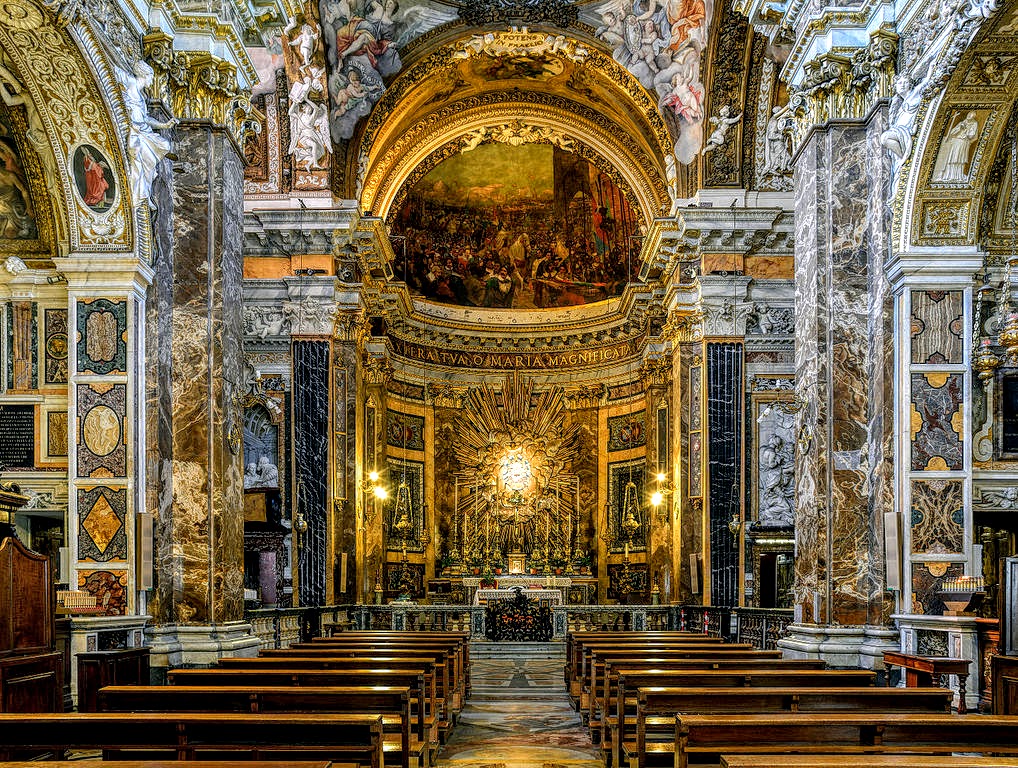
Religion too is not without worship, nor is it without the body. There are patrons of the church that pray until their knees are red and raw, burdened with the imprint of carpet or cushion marks. They worship Jesus’ body and blood in the form of bread and wine, admirethe full body images of colourful mosaic-stained glass portraits that tower over chapels, enforcing a power dynamic that goes without saying.
The concept of religion means accepting yourself as inferior, just as much a voyeur of the images and etchings of the saints as any other entranced by the human body.
This is what makes The Ecstasy of St Teresa so memorable; outside of its multidisciplinary combination of art and architecture, as well as theater; Bernini drew on his experience with theatre to create a three-dimensional spectacle within the same church as Teresa. Sculptures of donors adorn three walls of the church, making the viewer feel as though he was stepping through the fourth wall and seeing the events take place with their very own eyes. It takes a special kind of sculptor to transport the audience back so far, and so vividly.
The combination of two extremes at the opposite ends of the spectrum in such a way that captures the body’s natural response is something that I feel should be explored further—people have just been too afraid to do so.
Teresa was plagued—or blessed—by visions from God that overtook her entire body. Essentially, she became a vessel for divine experience.
It seemed to be bordering on carnal, which is beginning to seem indistinguishable from spiritual.
Edited by Isabel Hume
Featured image: The Ecstasy of Saint Teresa by Gian Lorenzo Benini



Leave a Reply