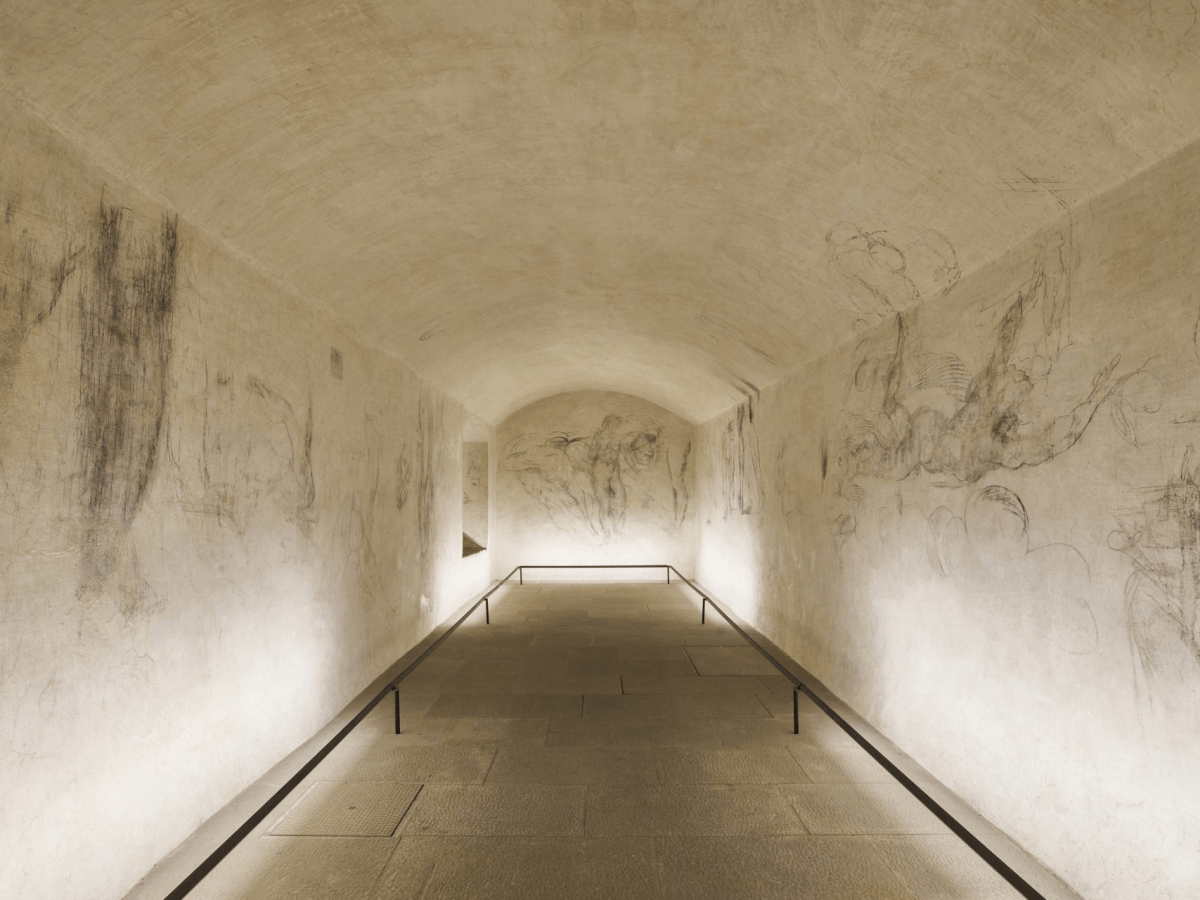
The Intimacy of Sketches
Last week when visiting Hurwin Anderson’s exhibition in the Tate Britain, I noticed a number of practices, copies and reiterations of the same image. Anderson, working from his own photographs and collages, created images through deconstruction and recreation that necessitates multiple attempts at resculpting and rebuilding. Through showing multiple examples of a work, the curation…

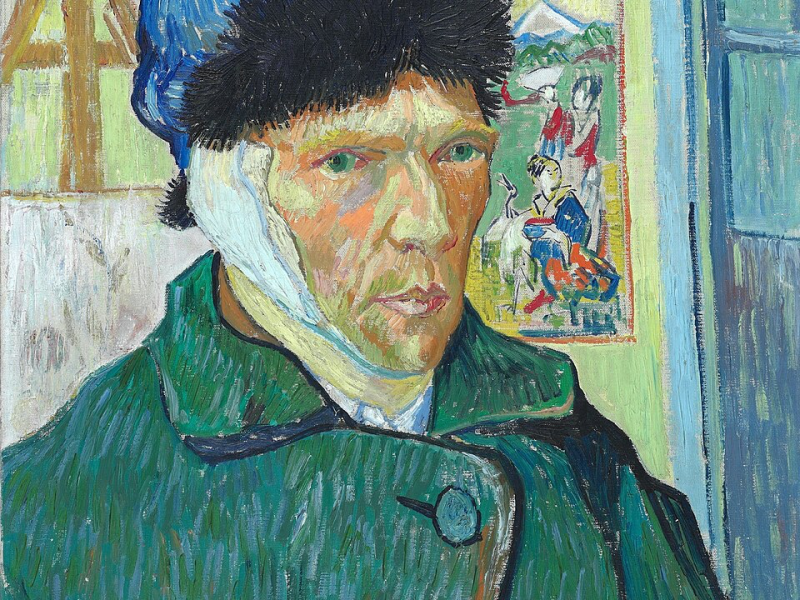
An Exploration of Pain in Art
In the last week, there has been a lot of talk surrounding the release of Olivia Rodrigo’s third album, You Seem Pretty Sad For A Girl So In Love, and the melancholy so prominent in her recounting of a supposedly happy relationship. Even the so-called love songs on the first half of the album are…

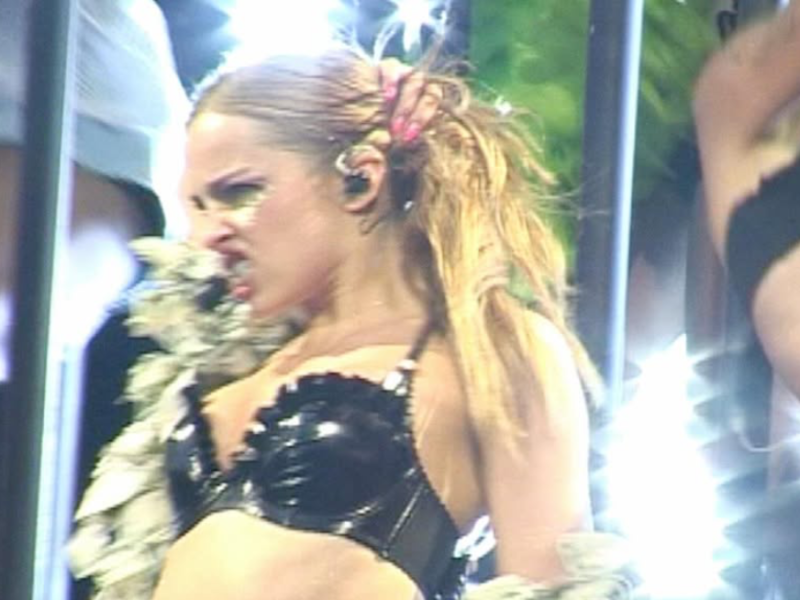
In Defence of the Poor Image: Pixelation as a New Aesthetic
With the advent of visual technology in modern life in the late 20th and early 21st centuries, the transmission of visual information has undergone a technological revolution – from the developments of the digital fax machine to mobile camera phones. The latter specifically became the pinnacle of a technology that made the production of photographic…

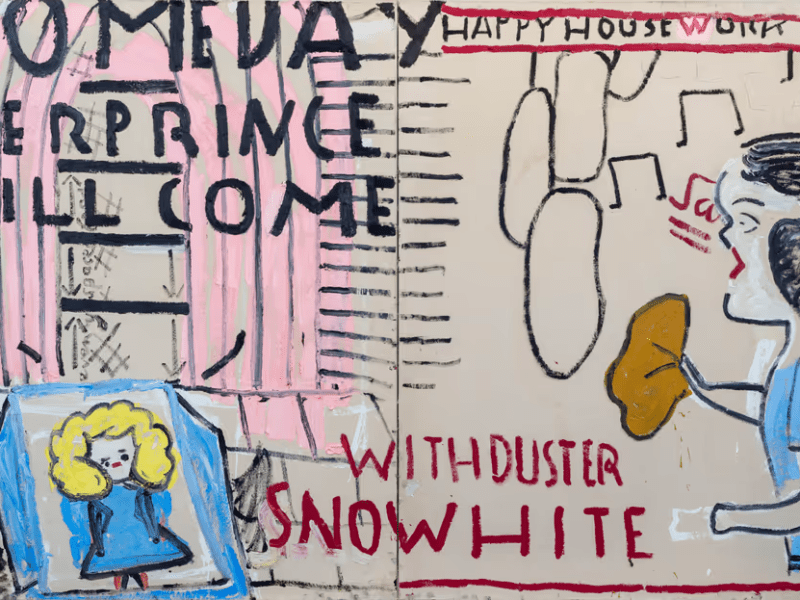
£21 Worth of Crap: On Rose Wylie and the Limits of Taste
Whilst caught up in the loop of doomscrolling on Instagram, I came across an interesting reel posted by a woman who was walking through the rooms of the Rose Wylie’s exhibition at the Royal Academy; expressing her discontent with the artist’s painting, and arguing that £21 is too much of a price for this ‘crap’.…

Why NFTs Failed as a Digital Art Medium
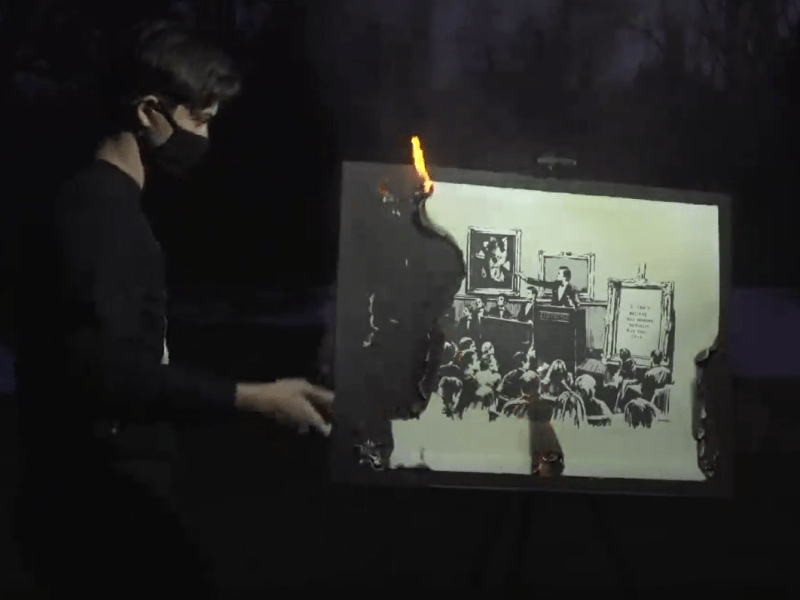
In his seminal work, Art in the Age of Mechanical Reproduction, Walter Benjamin makes the argument that there is a quality to the work as a material object that is absent when the formal content alone is reproduced and circulated; this, he names the ‘aura’ of the work. The reproduced work is inherently non-auratic; ‘aura’…

Public Art and The Politics of Perception
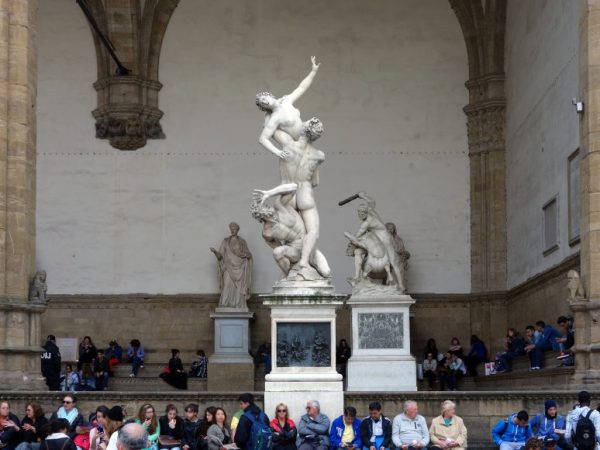
Walking around in London, you can’t help but notice the amount of statues within our public parks, squares and streets. Although I don’t always take note of each individual being commemorated, I know that a largely singular narrative is being perpetuated in these sculptures: the seeming normalcy of white maleness. This is not just my…
Furuhashi’s Lovers Escape into ChatGPT
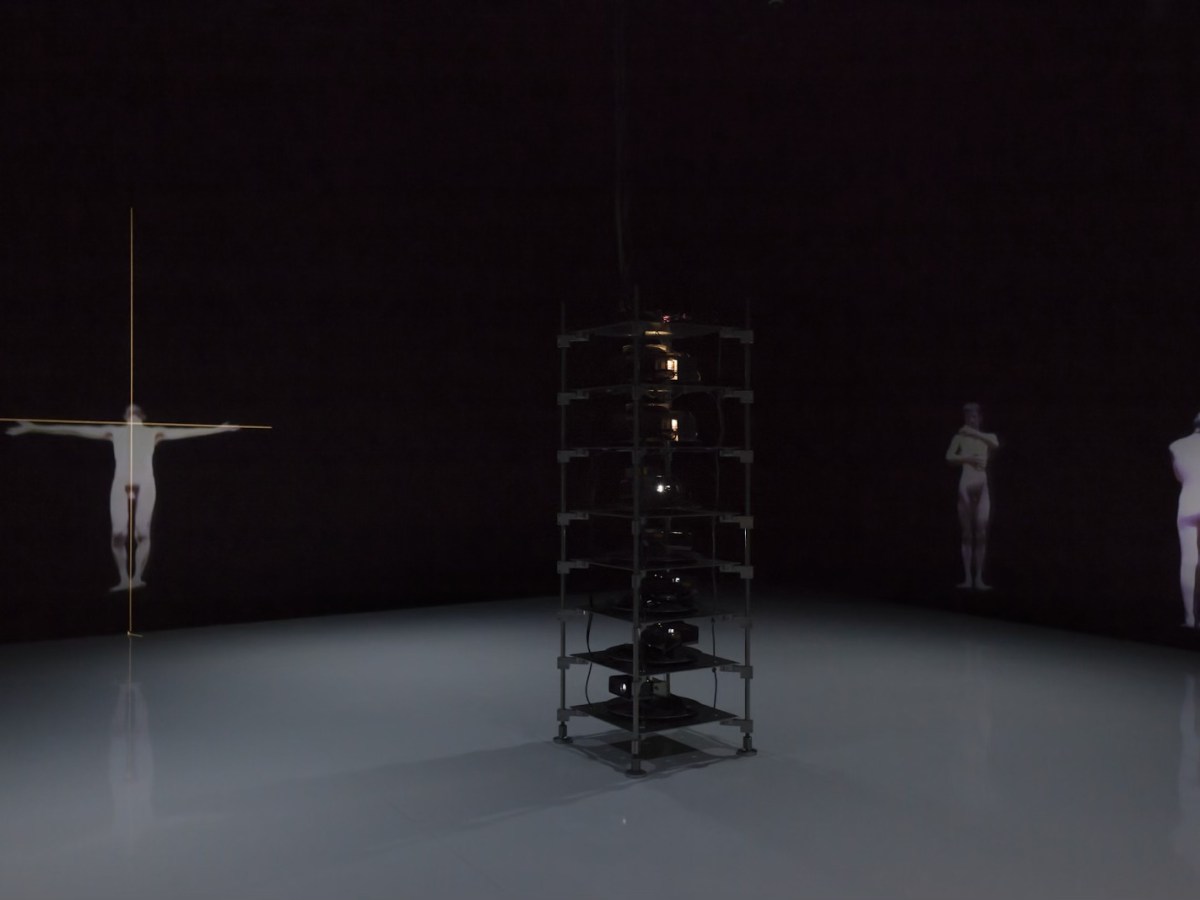
In the week leading up to February 14th, I attended Elliot Gibbons’s lecture on the Kyoto-based art collective Dumb Type, its founder Teiji Furuhashi, and his immersive installation Lovers (1994). It struck me that this chronological “coincidence” resonated less with the conventional anticipation of Valentine’s Day than with the spirit of Anti-Valentine’s Week – a…

From ‘Un-House’ to Geodesic Domes: Architectural Experimentations of 1960s-70s
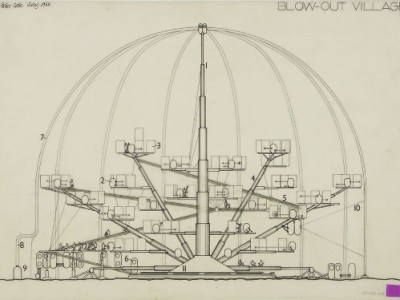
In 1965 article “A Home is Not a House” for Art in America magazine, Reynar Banham coined the concept of ‘un-house’ – one that radically deviated from the traditional idea of a house by being a mere shell to conceive services such as heating, cooling, and plumbing. Banham noted upon the society’s trend to seek…
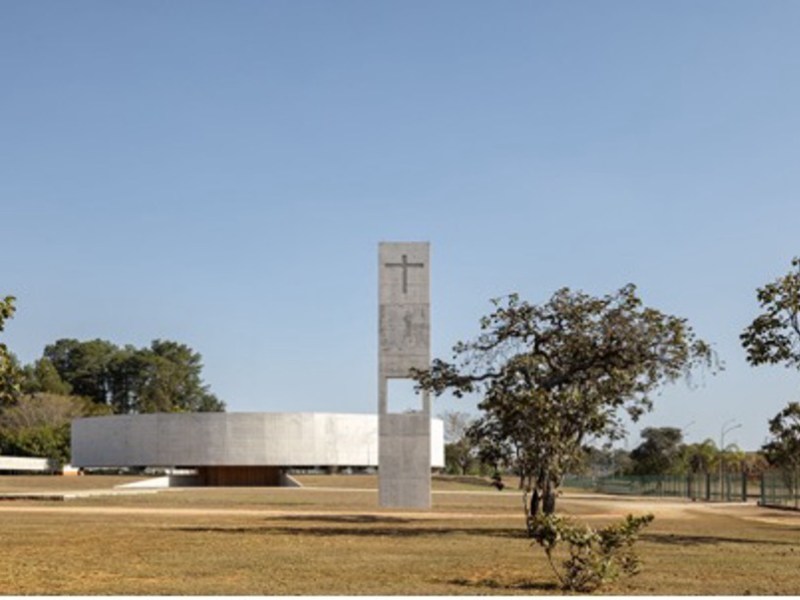
The Theological Collapse of Concrete Cathedrals
Egyptian Architect Abdelwahed El-Wakil said ‘We die and our buildings die with us’ in response to the temporal nature of modern buildings. He saw modern architecture as a space of dissonance between the world of nature and the world of the human. But what about the space beyond nature? What about buildings devoted to faith?…
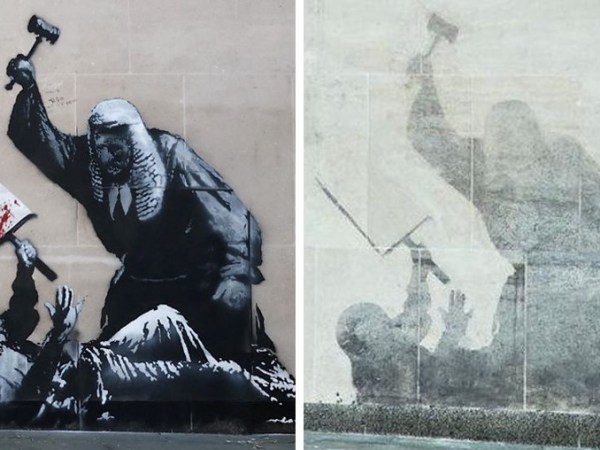
Art and Ruler: The War Over Visual Culture
Art has almost always been a political battleground. It has been harnessed by rulers, suppressed by dictators and controlled by states, all of whom understood it to be a vital source of power. Despite being a mode of expression, artistic production can be easily exploited as a tool for societal repression through both censorship and…
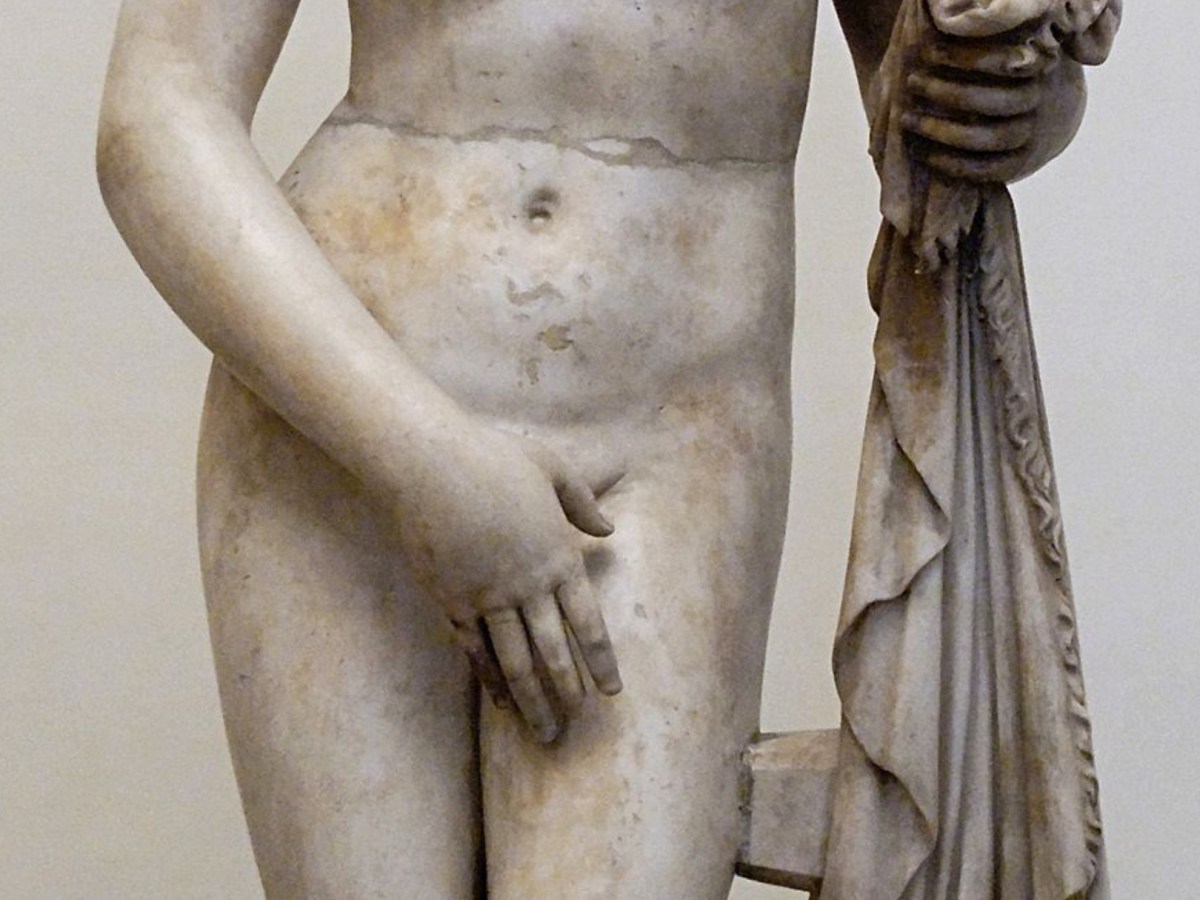
On Muses, On Venus, On Fantasy
The reproduction of the female form in art history becomes as exploitative as its consumption. The female body must perform the function of Madonna or whore, the lustful or the shameful, the desired or undesirable. We seem to be controlled by a binary, where a woman must become the entire essence of something idyllic, lacking…
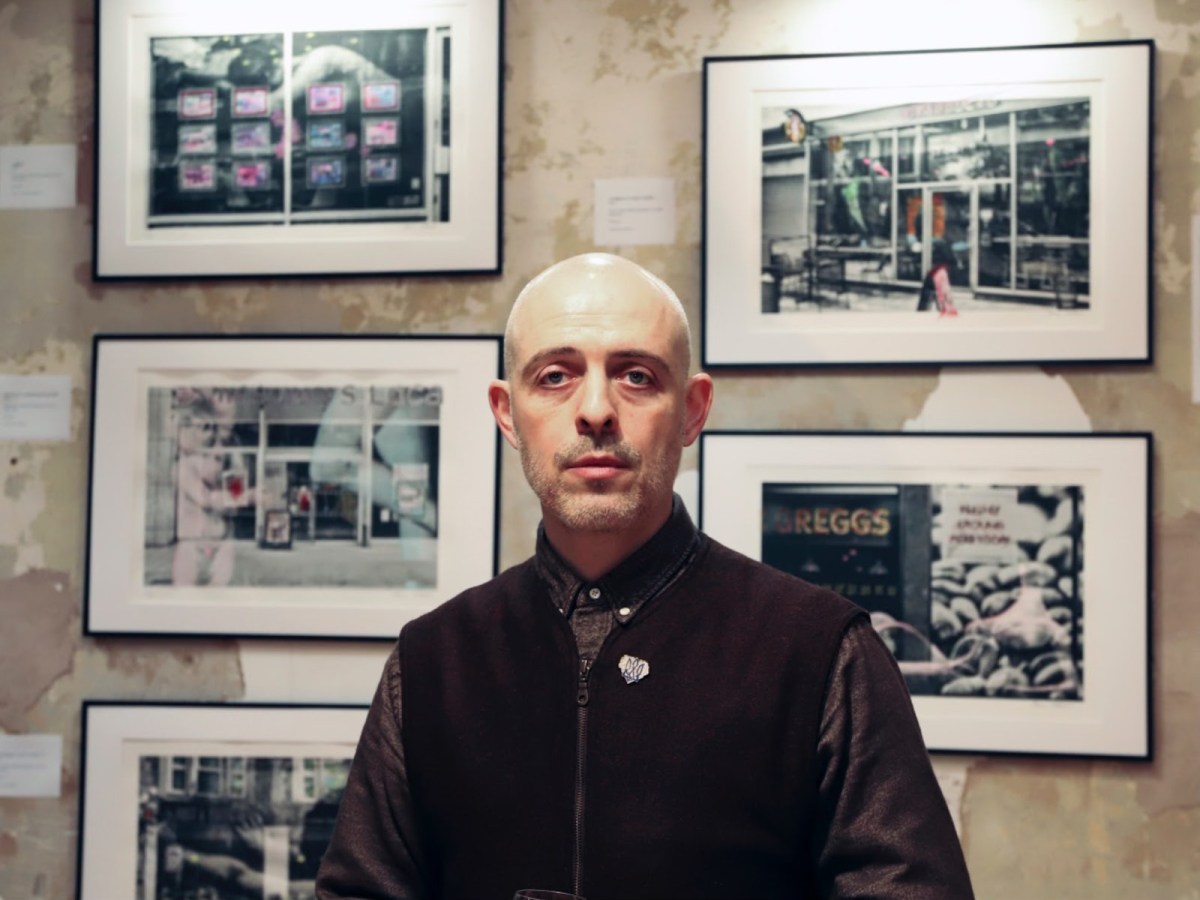
An Iconographic Walk through the National Gallery with Roma Liberov’s Reflections
On 16 January, The Arc London in Fitzrovia opened Roma Liberov’s solo exhibition Reflections: “a poem is as real as a utility bill”, which I had the privilege to curate. The show brings together a series of mixed-media photographic works created over the past two years of the artist’s life in London. Liberov’s practice, long…

The Art of Nature & The Nature of Art
Not all art is meant to be hung on a wall, and maybe with the over-commercialisation of artworks in the modern world it shouldn’t need to be. Recently I’ve seen a lot of discourse on the apparent soullessness and emptiness of art fairs and exhibitions geared towards buyers not viewers. Suggesting that personal experience and genuine story…
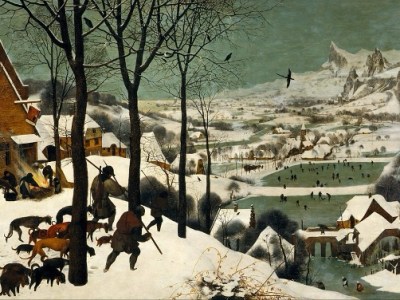
Enduring the Cold: Winter in Sixteenth Century Flemish Genre Scenes
During the cold winter days, we tend to spend time with our loved ones, enjoy the flicker of garlands, and quietly contemplate the year from the warmth of our home. Naturally, everyone has their own traditions and rituals – some private, some shared. Yet, it is especially in the winter that there seems to be…
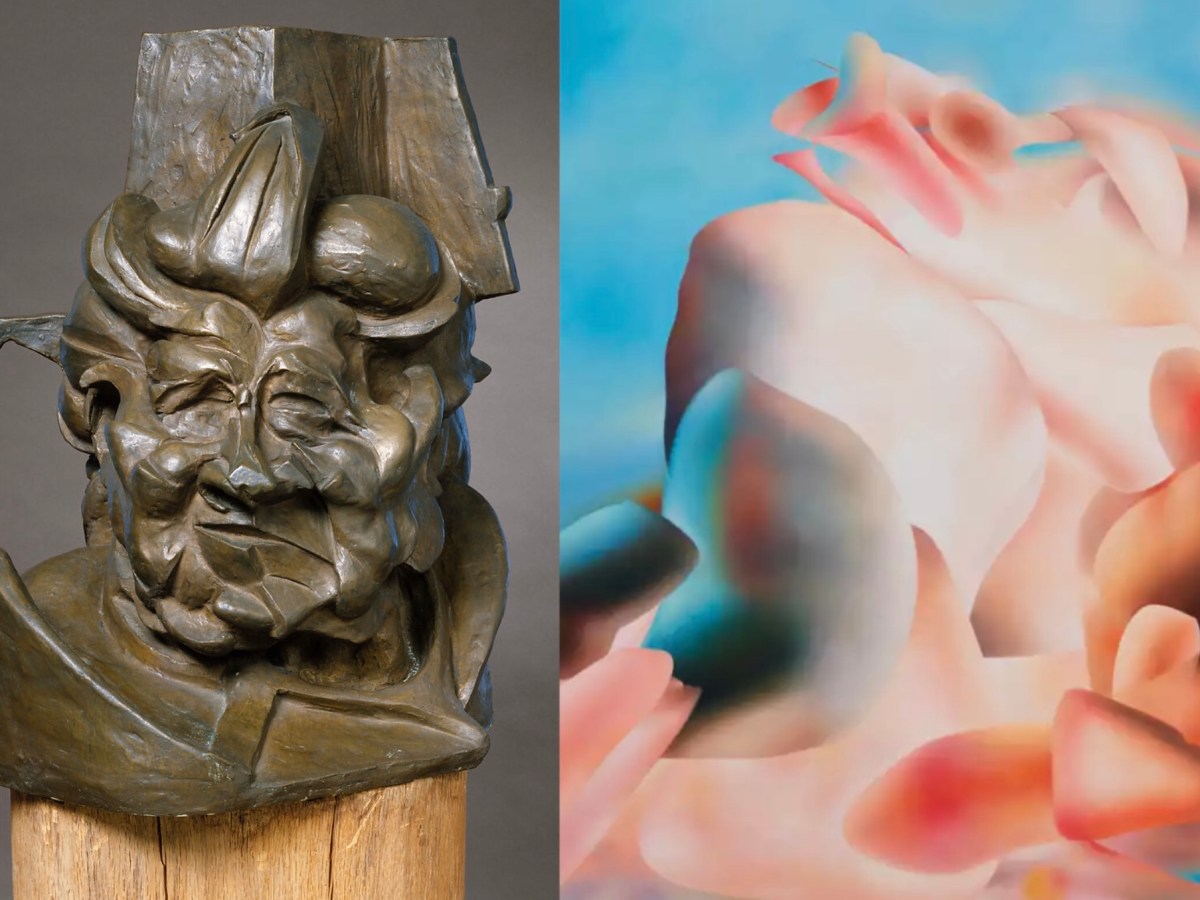
Technologies and Bodies: from Umberto Boccioni to Angela Sanatana
Technological progress has always had a profound impact on culture, shaping the ways people live and perceive the world. These shifts have often been reflected in art, as artists respond to changing conditions of everyday experience. In the early twentieth century, Italian Futurists were fascinated by the rapid development of modern technologies, particularly the automobile, which dramatically…

