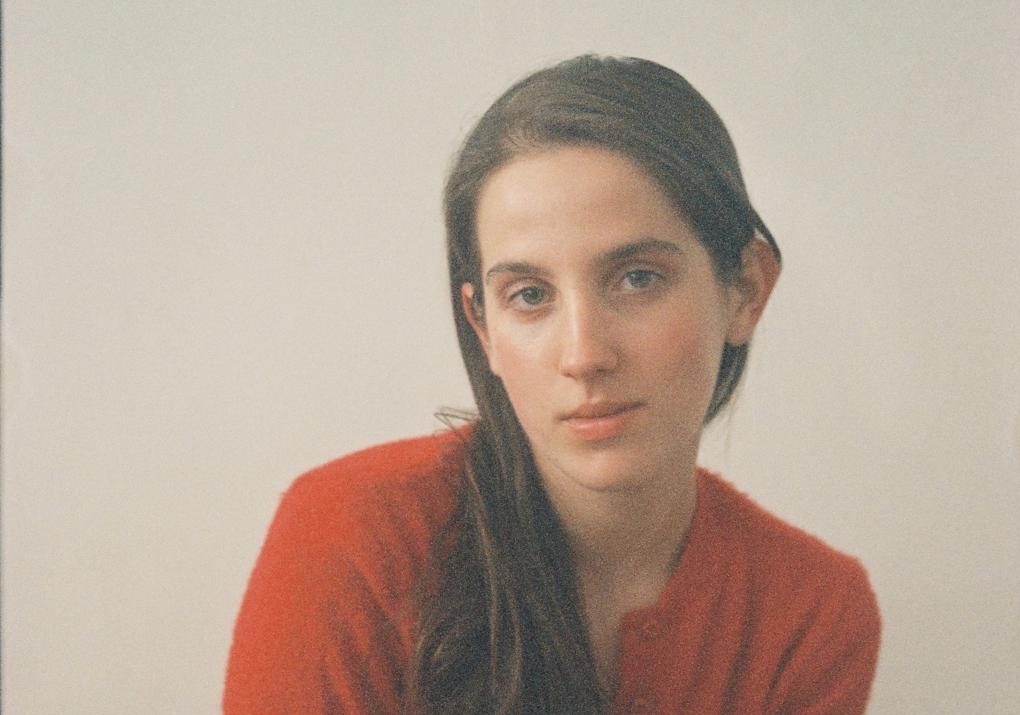
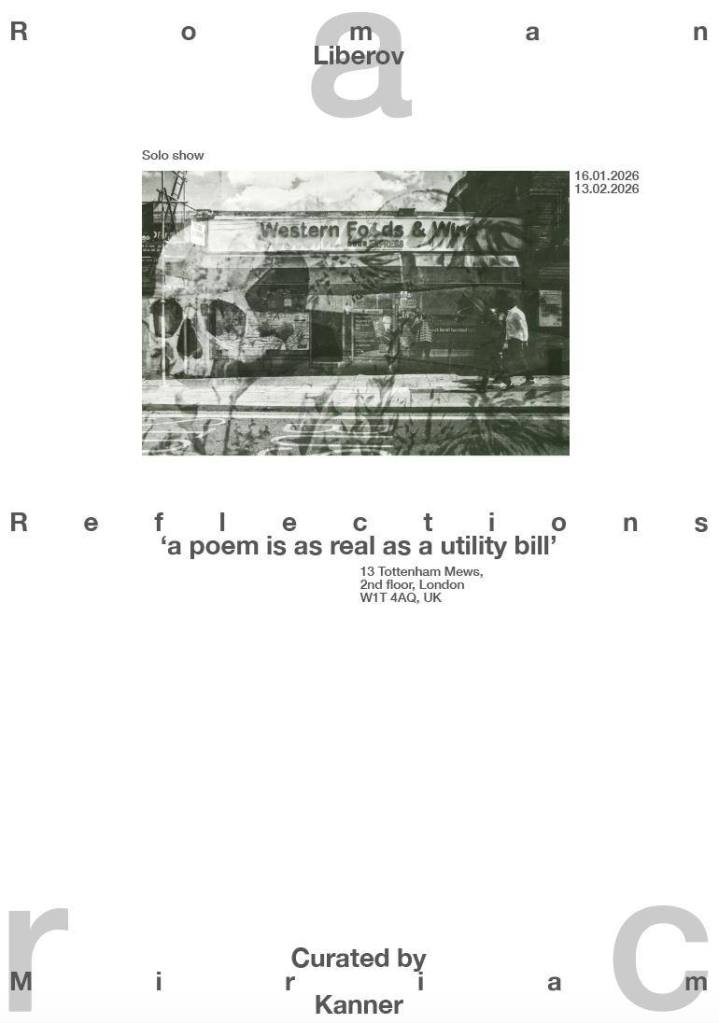
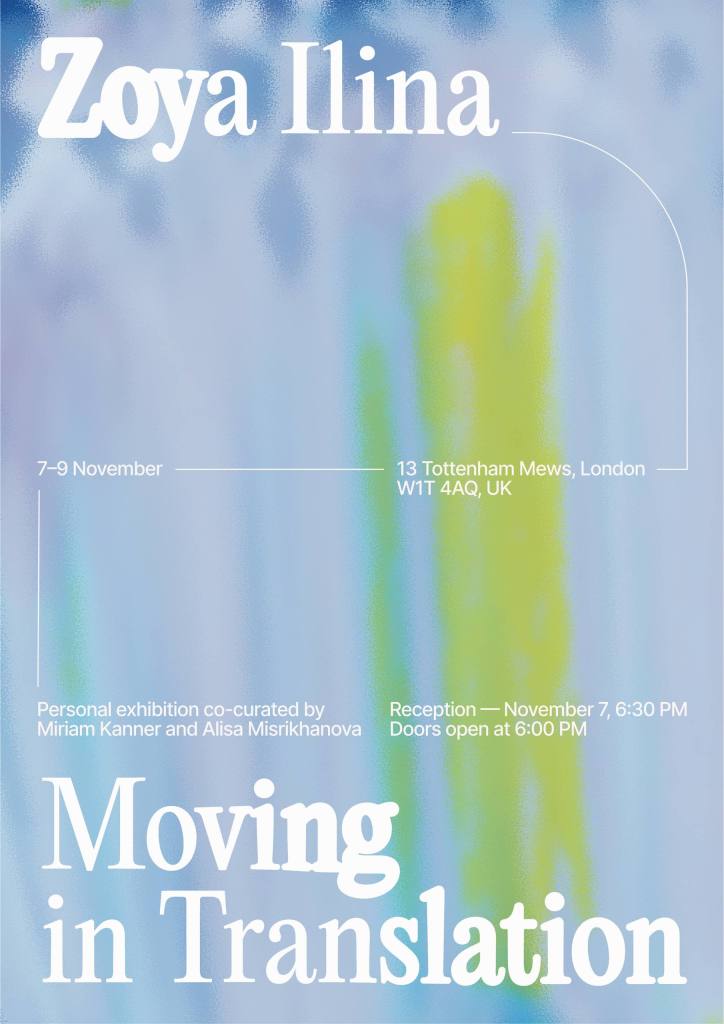
I recently interviewed Miriam Kanner, a writer here at Paper Galleries, and a second-year History of Art student at UCL who recently curated two exhibitions at Arc London. Her first exhibition, Moving in Translation, became the first solo show for the artist Zoya Ilina, presenting landscapes and still lifes from various cities the artist had lived in. The second exhibition, Reflections: ‘A Poem Is as Real as a Utility Bill,’ featured the mixed-media photography of Roma Liberov. Miriam spoke about her experience of curating and working directly with the artists; sharing her fears, insights, and the challenges encountered wile developing these exhibitions. This dialogue offers a glimpse into the behind-the-scenes curatorial processes that are too often left unspoken.
Miray Duran: How did you first become interested in curating?
Miriam Kanner: In the role of an artist. I first became interested in curating during my IB Visual Arts course, when I mounted an exhibition of all the work I had produced over the final two years of high school. I was studying at the European Gymnasium in Moscow, a school with a highly creative and open-minded student body. Our teachers encouraged independent research and often trusted us to curate without authoritative supervision. They pushed us to rely on our instincts. Children possess relatively uncensored minds
and are often willing to articulate truths that adults hesitate to voice. In a sense, this approach may seem egoistic, yet it lent a certain honesty to our artistic practice. For my first show, I focused on the price humanity pays for the prosperity of autocratic power and 21st century wars. I avoided pointing at specific countries and governments, trying to convey the universal experience of encountering political violence. Putting together my final show made me realise that I like writing around subjects that are ubiquitous, but hard to address. And to use the exhibition space as a toolkit to translate unspoken thoughts and emotions into forms that can be seen, felt, and held.
Miray Duran: Your first curatorial experience was centred around war and your own experience of it, a theme that also feels strongly connected to immigration. Both of your exhibitions in London seem to examine the search for home in a new reality. Do you see this emphasis driven more by personal experience, academic research, or the institutional context of Arc London as a space shaped by immigrant communities in many ways?
Miriam Kanner: It is important to note that The Arc Space is a place for all. Vasya, Vera and Misha, Arc’s executive team, are creating a hub of cultural intersection that connects people as human beings rather than representatives of a nation. At the same time, migration can be understood as a universal human experience, and it inevitably becomes part of the conversation unfolding there. The theme emerged organically. This was partly shaped by my art historical interest in post-war artists, who frequently reflect on displacement, national identity, and the reconfiguration of belonging. The experience of moving from one community to another is, in many ways, widely shared. In a city like London, especially, almost anyone you speak to has undergone some form of transition in background or environment. Zoya Ilina, a young artist in her early twenties, and Roma Liberov come from different generations and backgrounds, yet their experiences of immigration resonate in strikingly similar ways. On a fundamental level, migration can feel like entering a new game map whose rules, codes, hidden structures and treasure chests you have yet to learn. Both artists explore their surroundings through attentive observation of walking through the city, documenting, and producing work as a way of situating themselves within unfamiliar terrain. My limited personal experience of observing the effects of war, particularly since 2022, has also informed and shaped this focus. I have felt the urgency of questioning not only why wars begin, but also how migration and displacement shape lives and how artists respond to collective and generational traumas.
Miray Duran: Who is the audience you are trying to address?
Miriam Kanner: I am trying to talk to the wide audience, not limited to immigrants, but also the people who lived in one city for their whole life. What I am trying to do is to make sure that the patch of the people who moved to London is being seen and maybe create a glimpse for people who always lived here into the process of becoming local in the new city And it never ceases to surprise me how many people are curious about this experience. Londoners often ask questions about cultural differences, family ties, and about what remains “home”. Zoya’s show focuses on intimate, everyday discoveries in the city, that precede domestic sentiment — a chocolate box, friend’s one-square-meter concrete balcony — small things through which belonging takes shape. Roma’s on the other hand presents a more somber perspective, centred around material realities, a retrospective view of one city.
Miray Duran: Speaking about the response of the audience, do you have the most memorable reaction?
Miriam Kanner: One of the collectors acquired Roma’s central work, a composition structured along a strong diagonal, depicting a woman seated on a chair. I perceived her as suspended in a moment of distress, every muscle engaged, especially in relation to the image of a gym visible in the background. To me, the tension in her posture suggested endurance and strain. The collector, however, interpreted the scene as meditative, reading the figure as calm and composed. This divergence in perception was striking. It revealed how open the work is to projection, just like Roma intended it to be. Zoya’s landscapes mesmerised audiences, who much more often described them as soothing and meditative. It is easy to become immersed in the world of the three cities she portrays, as she renders them through a distinctly romantic lens. Her series are all subtle and intimate visual essays on her experience of immigration.
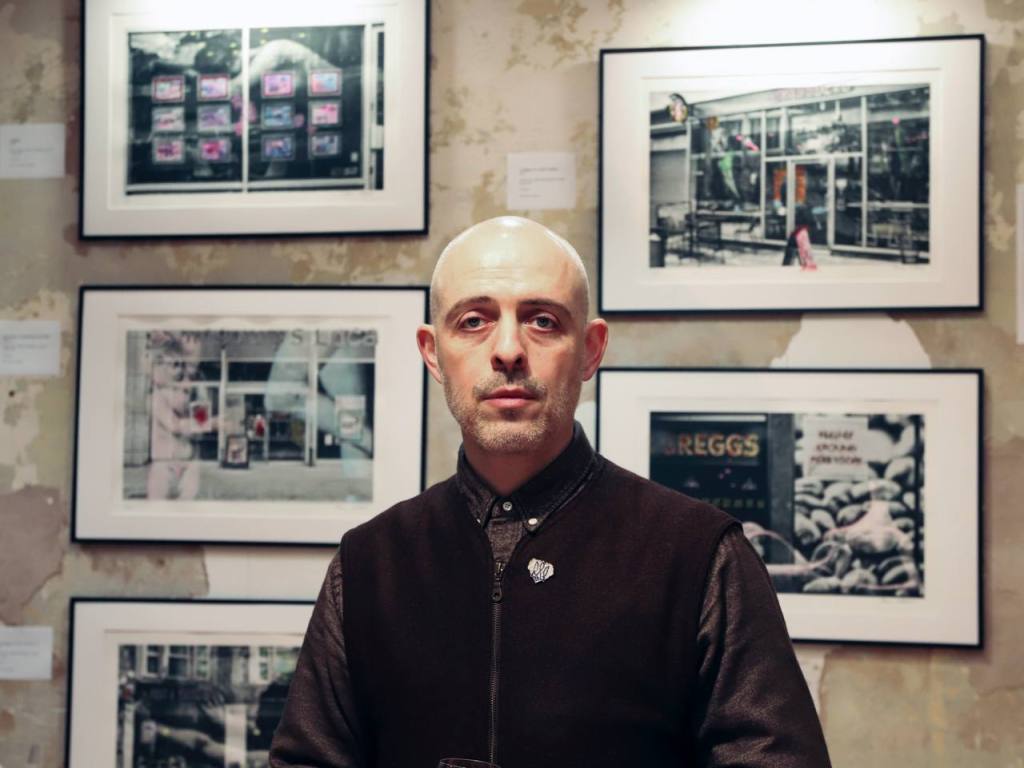
Miray Duran: What was the process of putting together this exhibition like? Could you tell us more about your relationships with the artists during that time, and about your creative freedom as a curator?
Miriam Kanner: It was a privilege to work with both of them. The process, I feel, was built on the way we complemented each other’s strengths. I aimed to support Zoya and Roma in providing confidence in presenting themselves as independent artists and in return, and I am so grateful they were, they challenged me at every step, teaching me about the subtle decisions, personal preferences, and deep dedication that shape artist’s practice. I believe it is important not to over-conceptualise an artist’s work, as it often emerges directly from the complexity of their life experiences, which are rich, layered, and cannot be reduced to canon and theories. Building rapport and trust with artists first, is something I am particularly drawn to, because these are the people you end up working spiritually close with, being a listener to the most intimate insights about their artworks. It’s about developing a friendship, sitting around the table, discussing lives, art, interests, routines, things that surround and form them; Zoya’s admirable fascination with contemporary dance and Roma’s passion for specialty coffee. Working with Roma also gave me insight into curatorial freedom. He brought an extensive background to our exhibition at The Arc Space, having participated in numerous creative projects in Russia, and he now leads The Pavel Kushnir Scholarship, which supports students from Russia, Ukraine, and Belarus to study music at european universities. His practice is deeply intertwined with music and poetry; in 2025, he produced the anthology Condemned to All That Fate Assigns, which brought together 20th-century émigré poets. At our first exhibition brief, I shared Man Ray’s famous Facile (1935) photo-poetry leaflet with Roma, recognising his strong interest in both disciplines. This exchange naturally evolved into incorporating poems in the exhibition, where each echoes a visual motif, narrative movement, or overall rhythm associated with the artwork that it is accompanying.
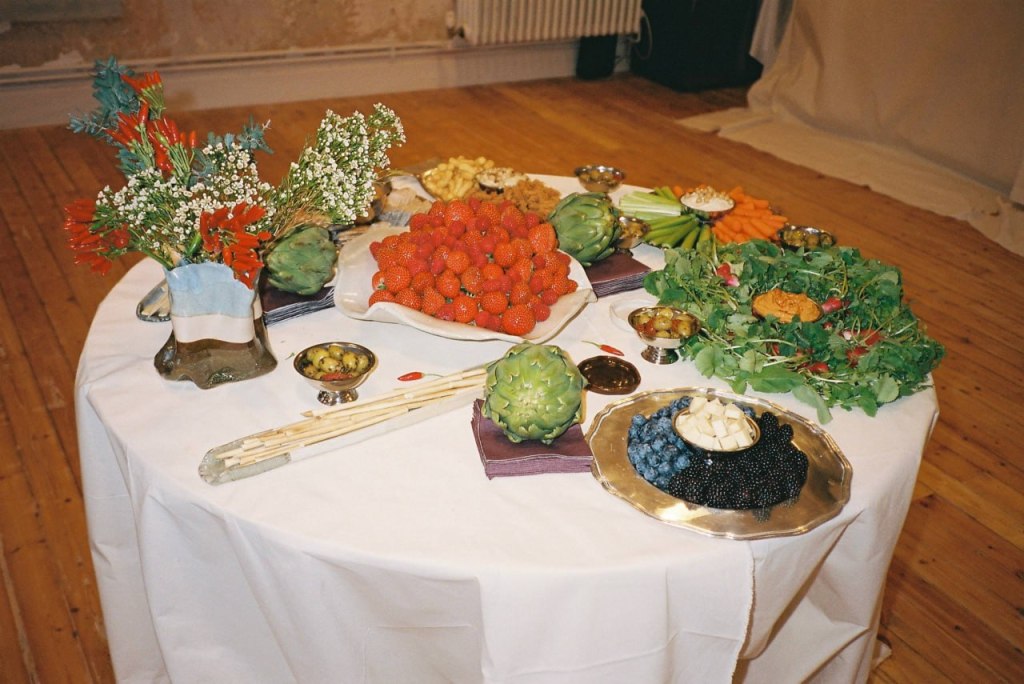
Miray Duran: What was your best curatorial decision across two shows?
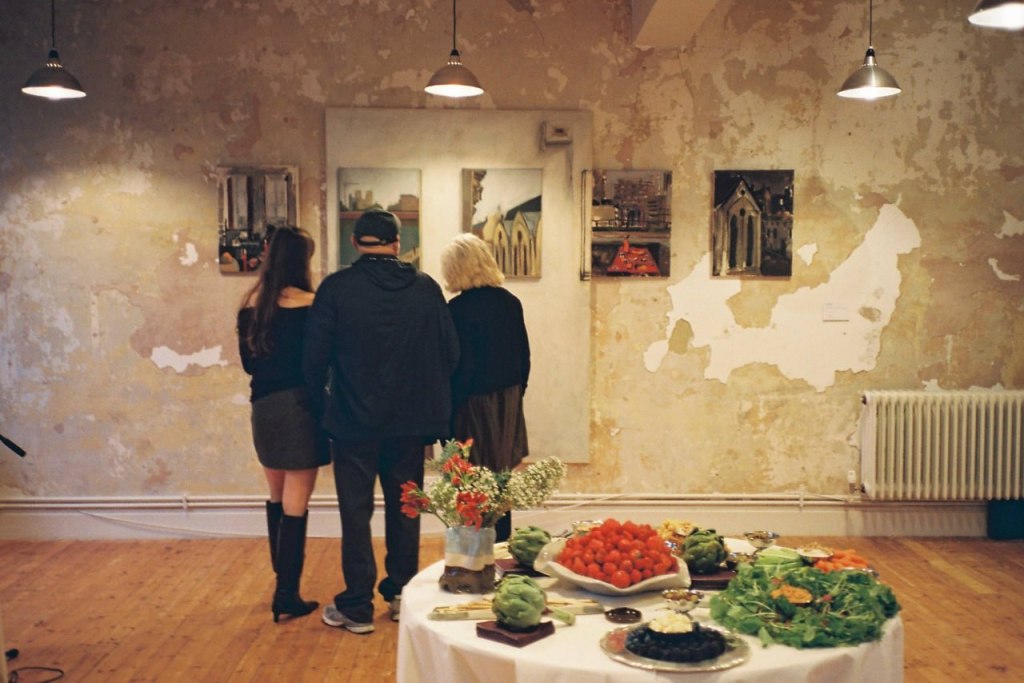
Miriam Kanner: Funnily enough, it was a small catered table that we created for Zoya on the opening night. It helped establish a sense of domesticity and really reinforced the theme of the exhibition. In a similar way, by placing poetry alongside Roma’s works, I wanted to create a liminal space, a familiar touchstone that could comfort his relocated gaze in a form of his artworks.
Miray Duran: What was your biggest challenge and insight from curating process?
Miriam Kanner: They weren’t challenges, but duties I loved having. Presenting the artists’ work clearly through exhibition texts and design, delegating, and keeping communication and negotiation prompt and direct. Attendance was certainly a worry at first, but in the end, what made both openings truly rewarding were our friends, family, and people whose care for the art was clear and deeply felt.
Edited by Milly Howes
Cover Image: Miriam Kanner, image given by self
 Paper Galleries
Leave a comment