
Throughout history market forces have played a crucial role in shaping artistic canons; from Renaissance patronage and court painters to nineteenth-century commercial galleries, the market has consistently influenced which artists are perceived as the most important in art history. In the twenty-first century, an era marked by big corporations and globalism, the responsibility for shaping the future of art history has been taken over by contemporary art fairs, which operate not only as platforms for art trading but also as curatorial, cultural, and institutional environments. Fairs such as Frieze London, Art Basel, and The Armoury Show attract extensive attention from curators, critics, museum directors, and other art-world professionals, partly due to the temporary nature of these events, which creates a sense of urgency and importance. Selections of works in those fairs highlight particular artists, galleries, narratives, and curatorial approaches, starting conversations and practices that then affect the art world as a whole. As a result, art fairs gained significant power in deciding which artists and practices would be the most visible in the contemporary art scene, characterised by an endless flow of art on the internet. In these circumstances, they acted as an anchor, allowing artists to be remembered and later included in art history. This article examines how contemporary art fairs shape the future of art history by creating visibility, constructing narratives, providing space for innovation, and influencing institutional attention, with a focus on Frieze London as a case study.
Functions of art fairs on the example of Frieze London
The first modern art fair, initially called Kunstmarkt Köln 67, took place in Cologne, Germany, in 1967. It served as a prototype for many art fairs to come later, the most famous of which perhaps include Art Basel and Frieze, which emerged in the 1990s. People who would have chance to visit both first art fairs of 1960s and later once of 1990-2000s would’ve noticed a significant differences between those: in the course of 30 years art fairs developed from a marketplaces to to the powerful cultural institutions, that now not only act as an agent to facilitate sales process between galleries and collectors but combine a functions of biennales and galleries. Public talks, performances, and temporary artist commissions, as well as curated sections and other non-tradable parts, became the norm and standard for the fairs, attaching an institutional and academic quality to them. This hybrid and inclusive format attracts an extraordinary number of art professionals and the wider public, creating a significant cultural impact in a single moment and place. For a couple of days, people gather together to survey new art and define the direction in which the contemporary art world is moving.
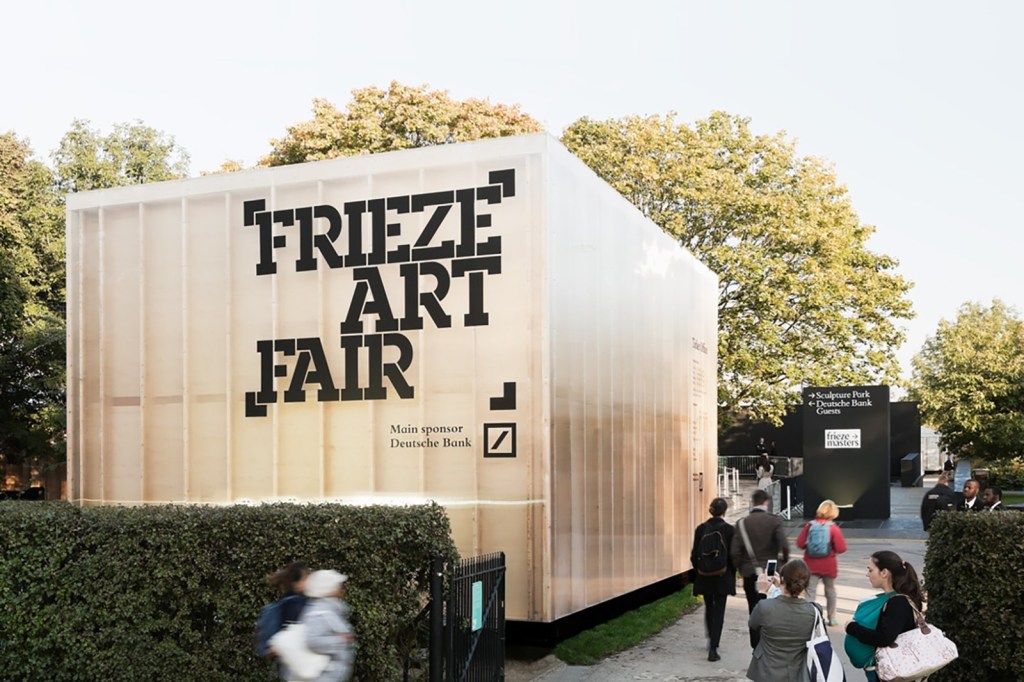
Frieze London exemplifies this shift since its foundation in 2003. From the beginning, Frieze paid close attention to curatorial practices, aiming to position itself as both a curatorial and commercial platform through the introduction of sections such as Frieze Projects, Focus, Frame, and Frieze Sculpture. Its influence also surpassed its own walls and caused ‘frieze fever’, a week during Frieze London when London’s art scene is buzzing from smaller art fairs, shows in the smaller commercial galleries and exhibitions in the larger institutions such as Tate Modern, all trying to attract public arriving in London for Frieze. The unique blend of curatorship, commerce, and impact on the broader cultural scene makes Frieze not only a pioneer but a key player in highlighting artists, ideas, and narratives that will receive wider recognition, making it a perfect example to examine how contemporary art fairs influence art history.
The mechanisms of influence
The art fairs shape an art history through a century of precisely curated and calculated mechanisms that determine what will be seen, valued and eventually remembered. Perhaps an obvious one, but one of the most important ones is the inclusion in a major art fair itself. Participation exposes artists and galleries to a public mostly consisting of curators, critics, collectors, and academics, leading to a higher level of critical recognition, as well as putting them in the sight of larger institutions, such as museums. This attention is essential for artists, as it creates an opportunity to become visible, appreciated, and acquired by collectors, and subsequently increases their chances of being included in the art historical canon.
The second mechanism is the creation of curatorial narratives. Despite being a commercial event, fairs are increasingly interested in framing the experience as if it were an exhibition, by designating thematic sections, curated mini-exhibitions, and texts to contextualise the works of art. These curated parts often follow a narrative that highlights certain aspects of artistic practice, such as ecological art, art by minorities, feminist histories, or art by young people. These narratives guide and educate viewers on how the art world is reflecting on often overlooked or emerging and pioneering practices. These thematic discourses help to highlight new dimensions of art, frequently creating a new language through which those works of art will later be understood on exhibition and in scholars’ research.
The third mechanism is institutional influence. Curators and museum directors are utilising contemporary art fairs as a research platform to understand the broader trends and directions the industry is heading, often scouting for emerging artists who might be featured in their future exhibitions or even their permanent collections. Many museums now have a special budget for acquisitions from art fairs. Those works are entering the museum’s collections, exhibited and written about, which creates a firm place in the history of art for them.
Finally, art fairs create a singular prism of attention, where market, curatorial interest, media, and critical debates converge in one event. That helps draw attention to particular themes or artists, allowing art fairs to shape what the world sees and collectively make it essential. Together, all those mechanisms assign a central role in the process of building a canon to the art fairs.
Frieze London: The case study
Over the course of more than two decades, Frieze London has demonstrated the significance of art fairs in shaping both the visibility of artists in the present and in constructing their future art-historical recognition. This approach was clearly evident in past events, as well as in the most recent Frieze London 2025. The fair has directly and consistently influenced museums’ collections, for example, Tate has acquired works by artists like Sonia Boyce and Claudette Johnson directly from Frieze London through Frieze Tate Fund; those acquisitions helped to draw attention to the black British art and contributed to Boyce’s artistic success, including a golden Lion awarded to her in Venice in 2022. At the same time, the Spotlight section at the Frieze Masters helped bring attention to twentieth-century artists such as Nil Yalter, who were overlooked by the public and not included in art historical canons until recently. This shows how the art fair helps rediscover history and brings a spotlight to excluded artists.
The 2025 edition continues this tradition, focusing on topics such as ecology, migration, non-Western art and identities through its curated programmes. These themes not only represent the current artistic tendencies, concerns, and interests but also forecast future directions of institutions, such as museums, as curators will consider those themes to be essential and therefore focus their exhibitions and acquisitions on them. Thanks to those processes and incentives, Frieze 2025 can be understood as an environment where the development of future art history will begin: from the curated narratives, to the highlighted artists, to the museums’ responses to these processes, which would lead to the creation of a certain way in which the 2020s and in a more general sense 21st century will be recorded. Both the influences of the past and present tendencies highlighted in the most recent exhibition illustrate how art fairs are not just commercial events but crucial agents in the development of art historical canon and culture.
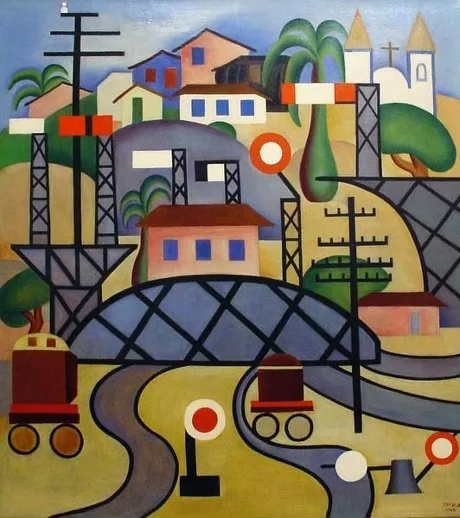
The cover image was created by Amélie Servage-Davenport using images of the artworks from Frieze Art Fair
 Paper Galleries
Leave a comment